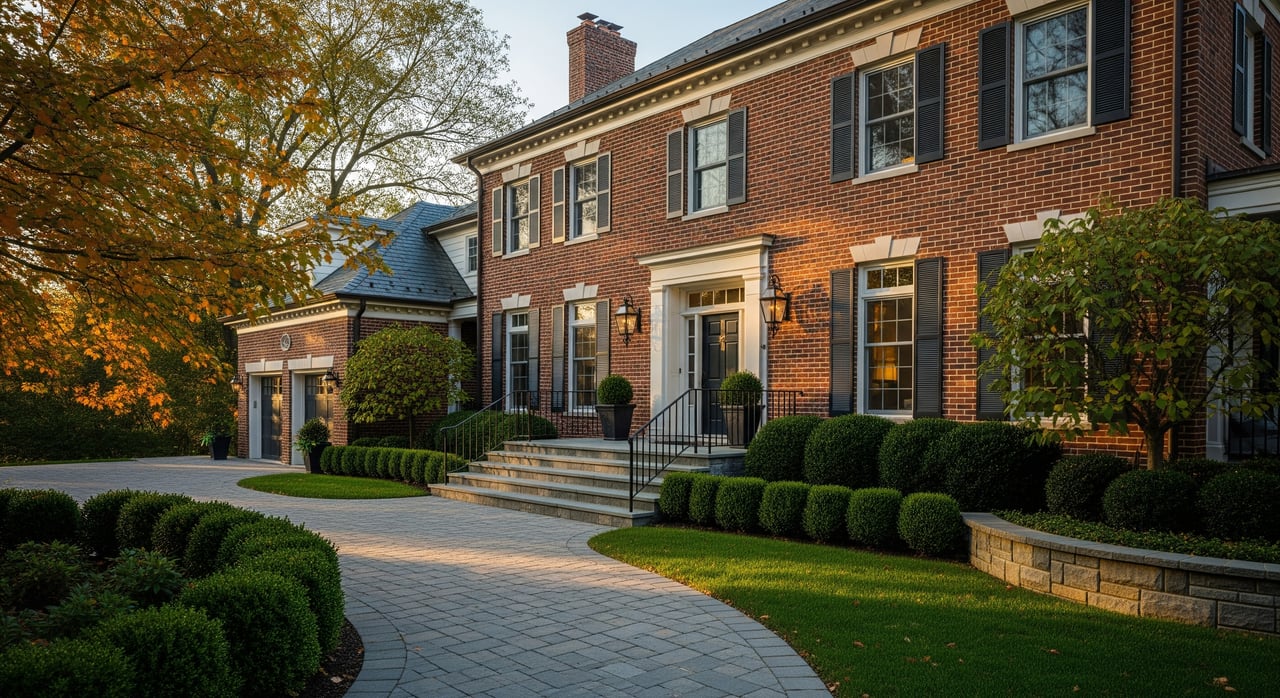
Are you unsure where to set your list price in Birmingham? You’re not alone. In a market where micro-location, condition, and timing matter, even small pricing moves can change your outcome. In this guide, you’ll learn a practical framework to choose the right price, read the market, and launch with confidence. Let’s dive in.
Why Birmingham pricing is unique
Birmingham is a mature Oakland County market with strong demand for walkable streets, a lively downtown, and a mix of historic homes, updated properties, and condos. That variety creates wide price bands, even within a few blocks. Buyers often compare homes by micro-location, lot size, and the quality of updates.
School boundaries can also influence buyer interest, so confirming the assigned schools before pricing is important. On top of that, shifts in mortgage rates can quickly change how sensitive buyers are to price. The right strategy blends comps, neighborhood nuance, condition, and current absorption.
The four pricing pillars
Comparable sales (comps)
Start with recent closed sales. Aim for the last 90 days when possible, and extend to six months only if activity is slow or inventory is thin. Use the closest matches: same property type, similar square footage, similar lot size, similar age, and the same or comparable micro-neighborhood.
Treat pending sales and active listings as signals, but anchor value on closed comps. Calculate a price per square foot for the most similar properties, then adjust for differences in beds/baths, garage, finished basement, lot size, and renovations. Document your adjustments so buyers and appraisers can follow your logic.
Micro-neighborhood nuance
In Birmingham, small location differences can change value. Walkability to downtown shops and restaurants can command a premium. Proximity to parks and tree-lined blocks with larger lots often trade higher than nearby streets with less character or smaller parcels.
Condos also vary by amenities and building location. Units near parks or with superior views often sell for more. Build a set of “micro-comps” on the same block or adjacent streets first, then use broader comps to cross-check your range.
Condition and presentation
Mechanical integrity, roof and HVAC age, and visible maintenance drive buyer confidence. Updated kitchens and baths, clean finishes, and a functional layout help push your price to the top of the range. Staging and curb appeal shorten time on market and support stronger offers.
If your home is turnkey, you can price at or near the top of your adjusted range. If systems are older or updates are partial, expect a reduction. Even single-digit percentage differences can materially shift the list price, so align condition with buyer expectations for your price band.
Absorption rate and demand
Absorption rate compares recent sales to current inventory. A higher absorption rate signals a faster market and lower months of inventory. A lower absorption rate points to slower turnover and more competition among sellers.
Use absorption to guide your stance. If demand is strong and your home shows well, you can price at or slightly above comps. If the market is slower, favor a competitive price inside the value band to reach the active buyer pool.
Build your list price: a six-step plan
1) Gather verifiable data
Pull closed sales from the last 90 days, recent pendings, and current actives for your property type and school assignment. Note days on market and list-to-sale ratios. Capture active inventory counts to calculate absorption.
2) Identify the micro-comp set
Choose 3 to 7 of the closest comps on the same block or within 0.5 mile. Prioritize similar lot size, square footage within 10 to 15 percent, comparable age and condition, and the same school boundaries. If you must go farther or older in time, mark the higher uncertainty.
3) Adjust for objective differences
Use price per square foot for baseline alignment. Then adjust for beds and baths, garage spaces, finished basement, lot size, and meaningful upgrades. For condition and finishes, use percentage adjustments that reflect market behavior rather than flat numbers where appropriate.
4) Apply market context
Layer in absorption and buyer behavior. If the market is moving quickly and your home is well prepared, lean toward the top of your adjusted range. If demand is thinner, position inside the range to increase showings and offers.
5) Convert price to a launch strategy
Pick the approach that matches your goals and the data: market-based pricing for steady outcomes, strategic underpricing to generate competition when inventory is tight, or a careful premium test if your home is truly unique. Align your marketing assets with the target buyer in Birmingham, including professional photos, floor plans, and virtual tours.
6) Monitor and adjust with triggers
Set review checkpoints at 7 to 14 days, 21 to 30 days, and 45 to 60 days. Track showings per week, fresh comp activity, and buyer feedback. If traction is light at a checkpoint, make a measured adjustment instead of waiting months.
Pricing tactics that work here
Market-based pricing
This approach sets the price at true market value after adjustments. It often results in smooth appraisals, fewer reductions, and predictable timelines. It is a strong default when absorption is balanced or slightly seller-favorable.
Strategic underpricing
Listing slightly below market can spark multiple offers when inventory is tight and demand is high. It is less effective in slower conditions, where underpricing may not create competition and can leave money on the table. This tactic requires tight timing and strong launch marketing.
Premium testing
Listing above market tests buyer appetite for a standout property. Use it sparingly and only when you have a clear differentiator. Be ready for longer days on market and a higher appraisal risk unless you can provide strong support for value.
Launch timing and visibility
Seasonality matters less in high-amenity areas like Birmingham, but spring and early fall typically bring more buyers. The first two weeks of a listing are critical. Price banding also matters because buyers filter by price ranges on search sites. A small change can move you into a different bucket, which can expand or narrow your audience.
Appraisal and risk management
Appraisals rely on closed comps. If you list above recent sales, you increase the chance of an appraisal shortfall. To reduce risk, prepare a packet of comps and a list of upgrades with costs and dates. Provide site-specific benefits, such as lot size, orientation, or proximity to amenities, in clear, factual terms.
Set pricing review triggers before you go live. If showings are slower than expected or feedback centers on price, act on your plan. A timely, modest adjustment is often more effective than waiting for weeks while your listing grows stale.
Seller prep checklist
- Pull property tax history, lot size, and legal description from county records.
- Consider a pre-list inspection if you suspect system or structural items.
- Complete high-ROI fixes: paint, lighting, landscaping, and minor repairs.
- Stage key rooms and enhance curb appeal for pro photos.
- Provide accurate room measurements and a floor plan for the MLS.
- Confirm school assignments and any boundary nuances.
- Agree on review triggers and an adjustment plan before launch.
How condos and single-family differ
Condos and single-family homes behave differently in Birmingham. Condos often trade on building amenities, monthly fees, unit orientation, and proximity to downtown or parks. Single-family values are more sensitive to lot size, architectural character, and outdoor space.
When pricing, segment your comps by property type and track price per square foot separately. Do not mix condo comps with single-family comps. Absorption can also differ by segment, so calculate each on its own timeline.
Putting it together: a simple example
Imagine two similar homes with equal square footage and bed/bath counts. The first has a newer roof, updated systems, and a staged interior on a tree-lined block close to downtown. The second has dated mechanicals and is a few blocks farther from shops and restaurants.
The first home could price at or near the top of the adjusted range and still attract strong interest if absorption is healthy. The second should price inside the range to offset buyer concerns and reach the widest pool. Both should launch with strong marketing in the first two weeks to set the tone for negotiations.
When to bring in a pro
If your home is unique, lacks strong comps, or has major deferred maintenance, professional pricing advice is worth it. A local listing specialist can quantify adjustments, build a comp packet, and provide a net sheet that shows your likely proceeds after closing costs and taxes. That clarity helps you make smarter decisions on repairs, staging, and timing.
Ready to talk strategy for your Birmingham home? The right list price, combined with high-impact marketing in the first two weeks, can shape your entire outcome. For boutique guidance backed by premium marketing and negotiation, connect with The Siciliano Group. Get your instant home valuation and a clear plan to launch with confidence.
FAQs
How should Birmingham sellers choose comps?
- Use closed sales from the last 90 days within 0.5 mile, matching property type, lot size, square footage, age, and school assignment; extend time or distance only if activity is limited.
How much can condition change my list price?
- Condition can shift value by single-digit to low double-digit percentages; updated systems and finishes support higher pricing, while visible deferred maintenance requires downward adjustments.
What is absorption rate and why does it matter?
- Absorption compares recent sales to active inventory; higher absorption signals a faster market and supports stronger pricing, while lower absorption suggests pricing more competitively.
When should I consider a price reduction?
- Review traction at 7 to 14 days and again at 21 to 30 days; if showings and feedback lag expectations, make a measured adjustment rather than waiting for extended periods.
Will my list price affect the appraisal?
- Yes. Appraisals rely on closed comps; pricing well above recent sales raises the risk of a shortfall, which can require renegotiation or additional documentation to support value.