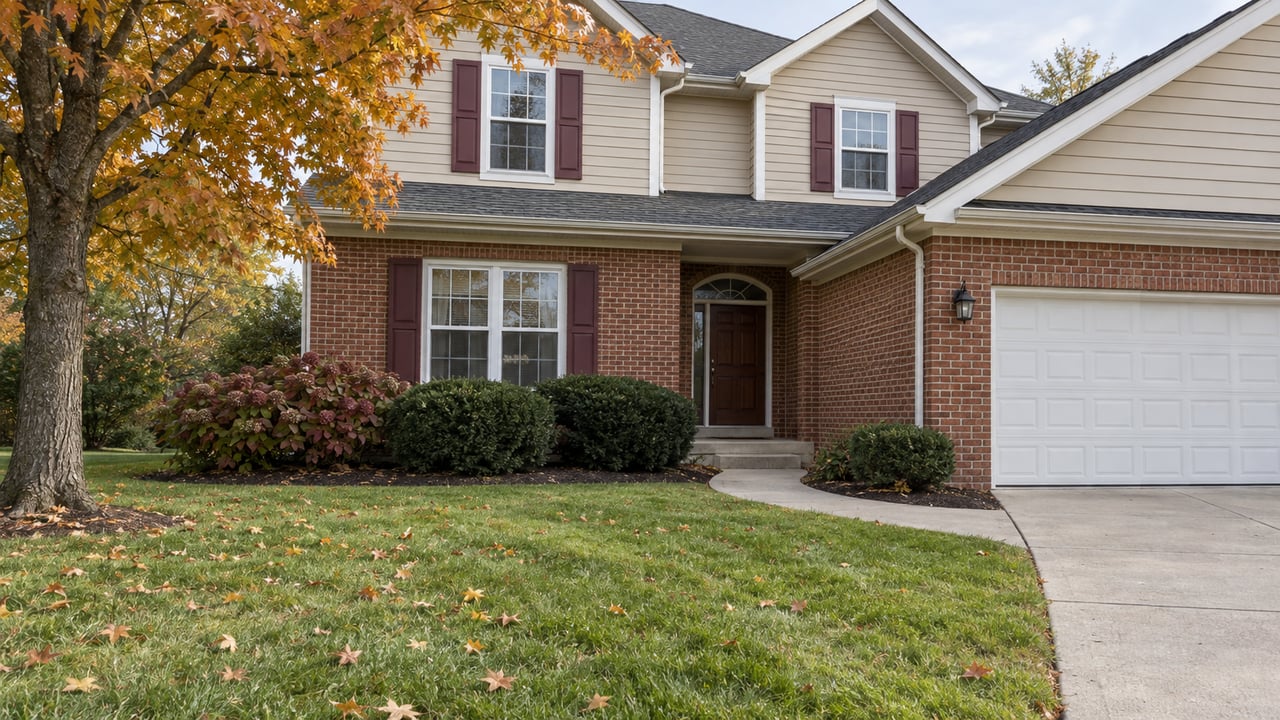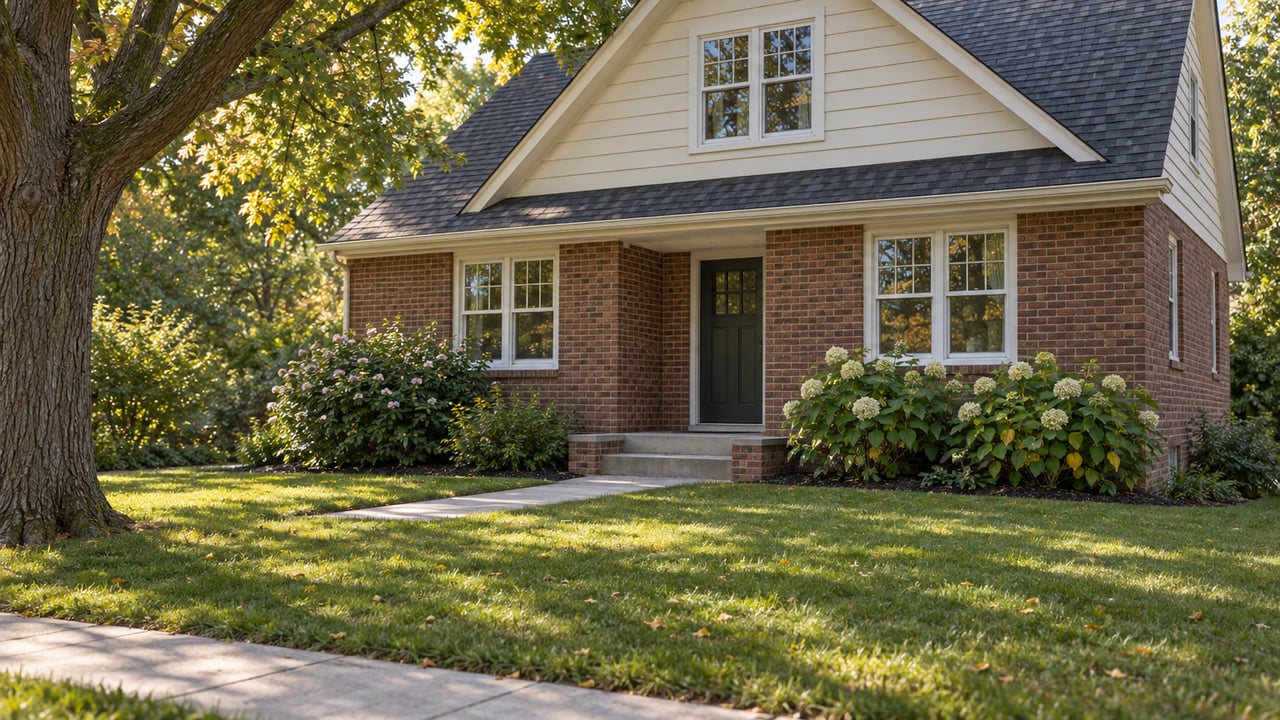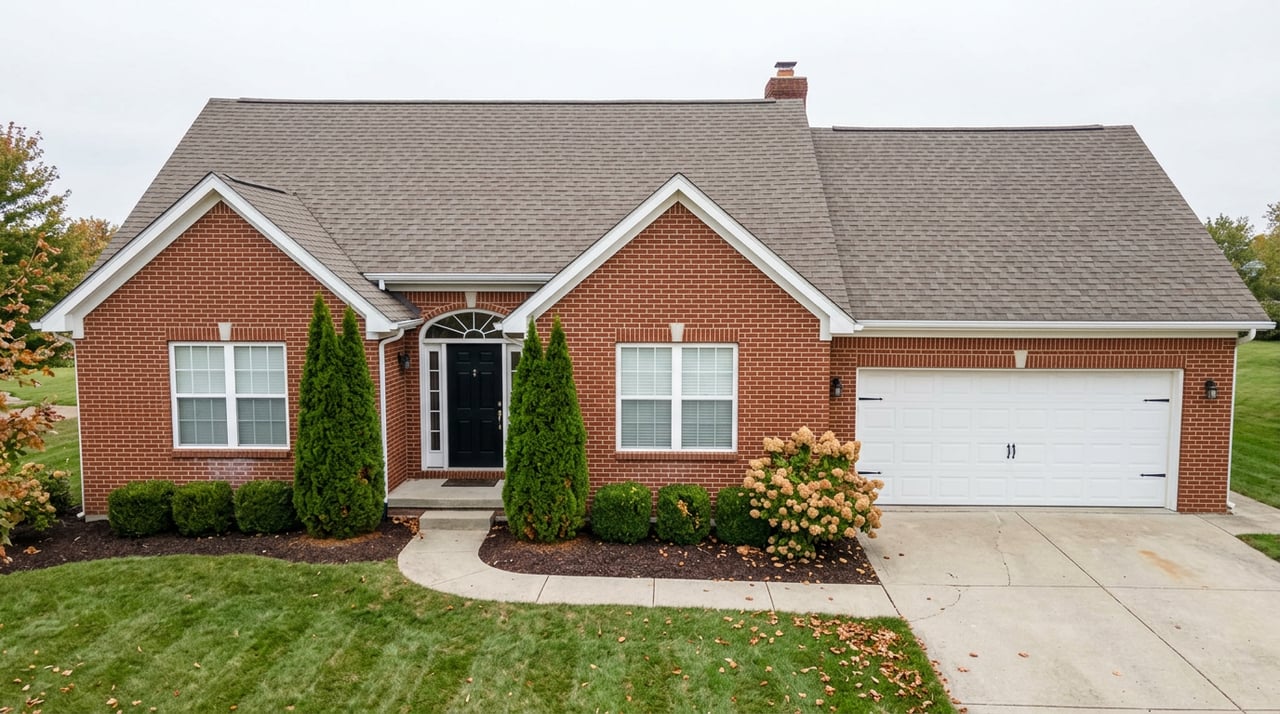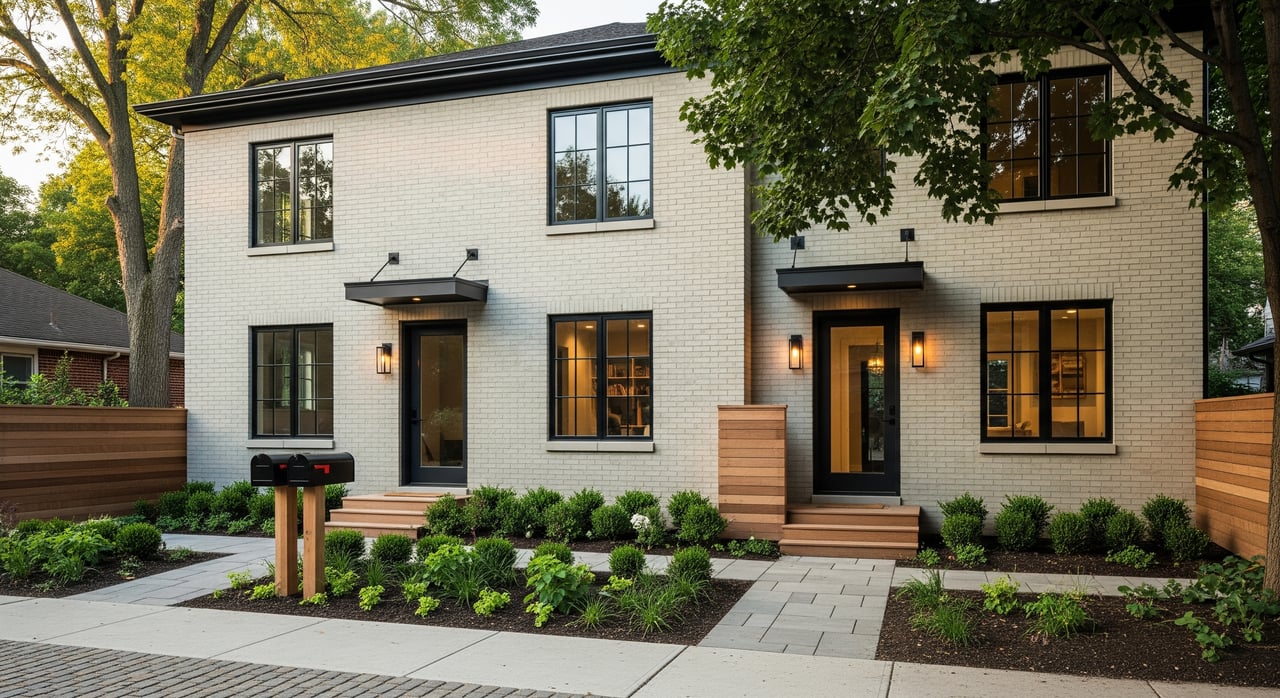
Thinking about living in one unit while a tenant helps cover the mortgage? In Ferndale’s 48220, that idea can be practical if you run the numbers with care. You want a walkable location, steady renter demand, and a plan for realistic expenses. This guide gives you a simple, data-minded way to model rent, vacancy, and ROI so you can decide if a house hack fits your goals. Let’s dive in.
Why Ferndale works for house hacking
Ferndale is an inner-ring suburb in Oakland County with a historic housing stock and a lively, walkable downtown. Its location near major job centers and transit corridors draws renters who value shorter commutes and local amenities. That mix often supports demand for smaller units, separate suites, and roommate-friendly layouts.
Location and renter demand signals
- Proximity to Detroit and adjacent suburbs creates a broad job base.
- Walkable downtown and entertainment options attract young professionals who rent.
- Older homes often have basements or accessory spaces that can adapt to separate living areas, subject to legality and permits.
What to watch in the data
When you evaluate a property, look at city-level and neighborhood-level indicators. The American Community Survey can help you understand renter share, median gross rent, and housing age. HUD’s Fair Market Rents provide a reasonable floor for area rents by bedroom count. Cross-check those sources with current rental listings and local MLS snapshots so you have up-to-date context.
Property types that work in 48220
Different setups fit different budgets and comfort levels. Here are the most common options in Ferndale and what to consider for each.
Duplex to fourplex
- Pros: Separate units make rent collection and tenant privacy straightforward. Owner-occupied financing is available for 2–4 units. That can improve entry costs.
- Cons: Inventory is limited in a small city. Prices per building can be higher, and management can feel more complex.
Single-family with basement unit
- Pros: Many Ferndale homes have basements that could function as a separate living area. Renting a unit or a few bedrooms can offset costs.
- Cons: Legality matters. Confirm egress, ceiling height, fire separation, and permitting. Conversion costs can add up.
Single-family with ADU or accessory suite
- Pros: A separate suite can boost rent potential while giving you control over the main home.
- Cons: ADU rules vary by city. Verify zoning, parking requirements, and inspections before you buy.
Rent by the bedroom
- Pros: Per-bedroom rent can be higher near downtown amenities and transit.
- Cons: Expect more turnover and higher vacancy risk. Some cities regulate shared housing or require specific licensing.
Condos with rental allowance
- Pros: Lower purchase price and fewer exterior maintenance needs.
- Cons: HOA rules may limit rentals or set minimum lease terms. Review documents for rental caps and parking rules.
How to estimate rent and expenses
Your ROI lives or dies on conservative assumptions. Use a range for rent, plan for vacancy, and set aside real reserves for maintenance and turnover.
Cross-check market rent
- Pull 3–5 rent comps by bedroom count, location, and condition from current listings. Use multiple sites to cross-check.
- Verify rent rolls and tenant histories on any property marketed as “income producing.”
- Use HUD Fair Market Rents as a baseline, then adjust for finishes, parking, utilities included, and proximity to downtown.
Vacancy and collection loss
Plan for some downtime between tenants and possible nonpayment. Conservative ranges for Ferndale-style properties:
- Well-located multi-unit or near-downtown properties: 4–7 percent
- Single-family house hacks: 6–10 percent
- Room-by-room setups: 8–15 percent
Operating expenses to budget
Build your estimate by category. For older urban housing stock, a blended expense ratio of 35–60 percent of gross rent is common before debt. Model a worst-case and an expected-case scenario.
- Property taxes: verify with Oakland County assessor records.
- Insurance: landlord or dwelling policies often cost more than owner-occupied.
- Utilities: check meter setups. Separate meters usually mean lower landlord-paid utilities.
- Maintenance and repairs: plan 5–10 percent of collected rent or a per-unit annual reserve based on age and condition.
- Capital reserves: budget for big items like roof, HVAC, and appliances. Many owners set aside $250–$1,000 per unit per year.
- Management: 6–12 percent of collected rent if you plan to hire management. If you self-manage, budget your time and leasing costs.
- Turnover costs: cleaning, paint, touch-ups, and leasing fees. One month’s rent every 1–2 years per unit is a simple rule of thumb.
- Miscellaneous: licensing, legal, advertising, and HOA fees if applicable.
Financing and cash invested
Financing can tilt a deal from positive to negative cash flow.
- Owner-occupied loans are available for 2–4 units. FHA programs, for example, allow lower down payments for eligible buyers. Confirm mortgage insurance and qualification rules with your lender.
- Interest rate and term drive annual debt service. Model multiple rate scenarios.
- Cash invested includes down payment, closing costs, initial repairs, and starting reserves. Use that full figure for cash-on-cash calculations.
Quick ROI formulas you will use
- Gross Scheduled Rent (GSR): total market rent at 100 percent occupancy.
- Effective Gross Income (EGI): GSR minus vacancy and credit loss plus other income.
- Net Operating Income (NOI): EGI minus operating expenses.
- Cap Rate: NOI divided by purchase price.
- Gross Rent Multiplier (GRM): purchase price divided by GSR.
- Annual Debt Service: total annual mortgage payments.
- Cash Flow: NOI minus annual debt service.
- Cash-on-Cash Return: annual pre-tax cash flow divided by cash invested.
Hypothetical pro forma: what the numbers show
Here is a simple example to show how assumptions affect results. This is hypothetical and rounded.
- Purchase price: $300,000
- Purchase costs and initial rehab: $20,000
- Down payment: 20 percent, or $60,000
- Cash invested: $80,000
- Setup: two units at $1,200 and $1,100 per month
- GSR: $2,300 per month, or $27,600 per year
- Vacancy loss: 7 percent, or $1,932
- EGI: $25,668
- Operating expenses: 40 percent of EGI, or $10,267
- NOI: $15,401
- Annual debt service: approximately $17,200 on a $240,000 loan at 6 percent for 30 years
- Cash flow: about negative $1,799
- Cash-on-cash: roughly negative 2.25 percent
Interpretation: Even with a solid location, cash flow depends on price, interest rate, and rent. If you raised rent, lowered price, or improved financing, results would shift. The lesson is simple. Build a likely, a pessimistic, and an optimistic scenario before you buy.
Due diligence and local rules
Ferndale’s older housing stock and small-lot pattern can be great for house hacking, but legality and condition are critical. A strong due-diligence process protects your budget and your timeline.
Zoning, licensing, and permits
- Confirm that zoning allows your intended use, whether duplex, ADU, or room-by-room. Review the city’s zoning map and talk to planning and zoning staff.
- For basements and ADUs, verify egress, ceiling height, fire separation, and kitchen and bath requirements.
- Check rental registration or licensing rules. Many Michigan cities require inspections for long-term rentals.
- If you are considering short-term rentals, confirm any restrictions or separate licensing requirements.
Leases, title, and taxes
- For income properties, request leases, security deposit records, rent rolls, and payment histories. Match them to market rent.
- Review title for liens, code violations, or special assessments.
- Verify current and projected property taxes through the county assessor.
Inspections and utilities
- Order a thorough home inspection focused on common issues in older homes, including foundation, water intrusion, roof age, HVAC, lead-based paint in pre-1978 homes, and electrical.
- Scope the sewer line to check for older laterals that may need repair.
- Confirm how utilities are metered. Separate meters can reduce landlord expenses and simplify tenant billing.
Neighborhood checks and operations
- Check walkability, transit access, and nearby amenities.
- Understand local landlord-tenant rules and typical eviction timelines in Michigan.
- Decide whether you will self-manage or hire management. Plan for vendor relationships and response times.
How to work with an agent on ROI
A good agent helps you focus your search and evaluate the numbers. In a small city like Ferndale, speed and precision matter.
- Use targeted MLS searches for duplex to fourplex options, and for single-family homes that mention separate entrances, finished basements, or in-law suites.
- Analyze rent comps by bedroom count, condition, and utilities included. Look near the property rather than city-wide averages.
- Compare sales of similar income properties when possible. Use GRM as a quick screen, then build a simple NOI and cash-flow model.
- Build rent ranges for each unit. Apply vacancy and expenses suited to the property type. Run a three-scenario sensitivity check so you see the likely range of outcomes.
Next steps
- Define your budget and target property type. Decide if you prefer a duplex, a basement suite, or a per-bedroom setup.
- Gather rent comps and confirm your vacancy and expense assumptions. Be conservative.
- Talk to a lender about owner-occupied financing for 2–4 units and what that means for down payment and mortgage insurance.
- Walk a few candidate properties with your checklist. Confirm zoning and rental licensing requirements early.
If you want a clear, local look at house-hack options in Ferndale, connect with a team that knows these blocks and can help you evaluate ROI with confidence. Reach out to The Siciliano Group for a focused consultation and next steps.
FAQs
What is house hacking and how does it work in Ferndale?
- House hacking means living in one unit or part of a home while renting the other unit or bedrooms. Ferndale’s walkable downtown and older housing stock can make this feasible if you confirm legality and run conservative numbers.
How do I estimate fair rent for a unit in 48220?
- Pull 3–5 nearby rent comps by bedroom count and condition, verify any seller-provided rent roll, use HUD Fair Market Rents as a floor, and adjust for finishes, parking, and utilities included.
What vacancy rate should I assume for a Ferndale house hack?
- Plan 4–7 percent for well-located multi-units, 6–10 percent for single-family setups, and 8–15 percent for room-by-room rentals due to higher turnover.
What operating expenses are easy to underestimate?
- Turnovers, maintenance reserves, landlord-paid utilities, and property taxes after reassessment are common misses. Budget a blended 35–60 percent of gross rent for older homes before debt.
Can I use FHA financing for a duplex or triplex I live in?
- Yes, FHA allows owner-occupied financing for 2–4 units subject to program rules and mortgage insurance. Confirm details with your lender and include real debt-service numbers in your pro forma.
How does GRM compare to cap rate when screening deals?
- GRM is a quick price-to-rent check, while cap rate incorporates expenses. Use GRM to sort listings fast, then move to NOI and cap rate for a more complete ROI picture.