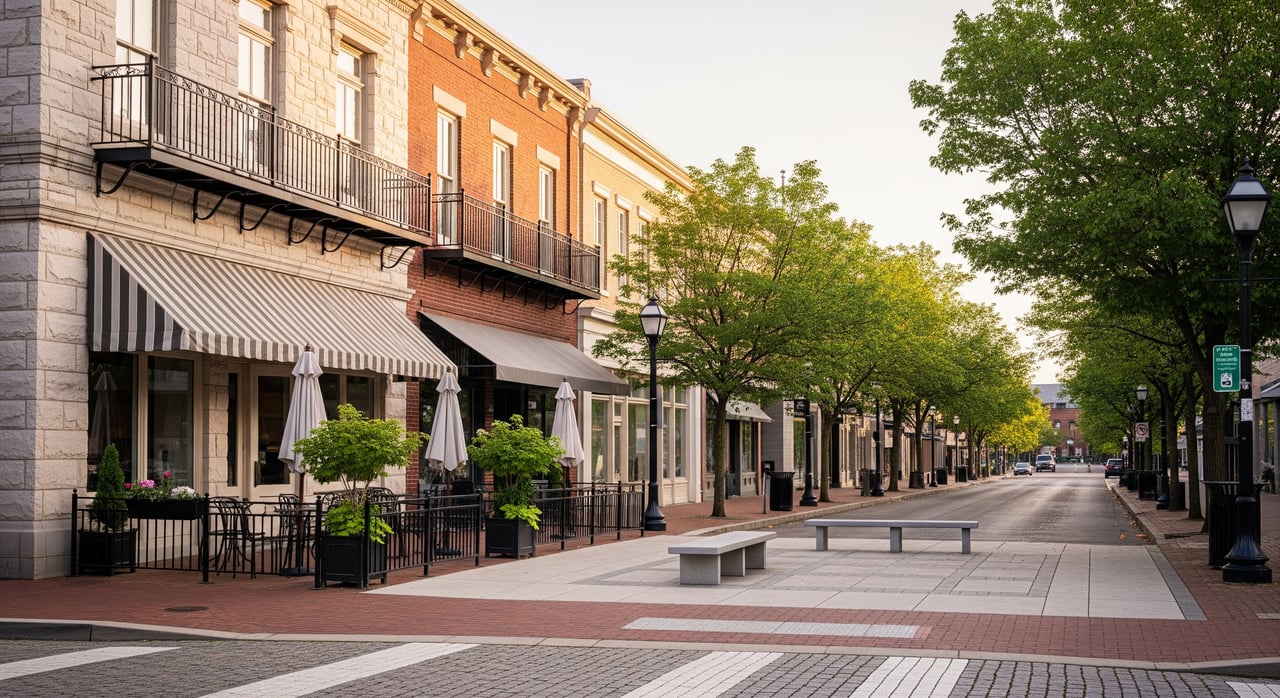
Imagine stepping out your front door and grabbing coffee, a few pantry staples, and a dinner reservation without getting in the car. If you’re weighing a move to Birmingham, this is the everyday convenience many buyers want. In this guide, you’ll learn what life feels like in the walkable core, what amenities you can reach on foot, the trade-offs to expect, and how to decide if Birmingham’s downtown lifestyle fits your goals. Let’s dive in.
Downtown Birmingham at a glance
Birmingham sits along the Woodward Corridor in Oakland County, surrounded by Bloomfield Hills, Bloomfield Township, Troy, and Royal Oak. The city’s compact downtown serves as a regional hub for shopping and dining, so you’ll see steady foot traffic during the day and early evenings. The area blends preserved historic buildings with newer mixed-use blocks, condos, and townhomes. City planning and design standards focus on pedestrian comfort, which helps keep storefronts active and errands close.
Why it feels walkable
Most daily needs cluster within a few blocks. Sidewalks, frequent crosswalks, and street-level storefronts create short, simple routes between coffee, services, and dinner. Small parks and plazas break up the grid and host community programming, so there is usually something to do on a lunch break or after work. You can do a lot on foot in the core, then take a short drive for larger errands or recreation.
A day on foot
Mornings
Start with a café or bakery stop, then swing by a specialty grocer or market for essentials. If you work from home, quiet corners and outdoor seating give you a change of scenery. City services and the public library are near the core, so quick errands stay efficient.
Midday errands
Boutiques, salons, dry cleaning, banks, and lunch spots sit within a compact area. You can knock out tasks in a single loop and be back at your desk in an hour. If you have appointments, most are within a short walk of each other, which keeps your day moving.
Evenings and weekends
The dining scene leans upscale and curated, with casual options for weeknights. Seasonal events, markets, and occasional street festivals bring extra energy and visitors. Expect a lively but not late-night vibe, with activity tapering as dinner service wraps up.
Amenities buyers notice
Dining and shopping
Downtown’s retail mix skews toward fashion, gifts, home goods, and specialty services. Restaurants and cafés include independent concepts and recognizable boutique brands. The result is a polished, pedestrian-friendly district rather than a typical strip-mall experience.
Parks and green spaces
You’ll find pocket parks and plazas for meetups, coffee breaks, and events. Larger parks, athletic fields, and recreation centers are nearby but usually outside the tight walkable core. Plan on short drives for bigger playgrounds or league activities.
Culture and civic life
Community theater, arts programming, small exhibits, and the public library add family and professional-friendly options throughout the week. Outdoor concerts and markets often activate central spaces, which boosts daytime and weekend foot traffic.
Housing near downtown
Home types and styles
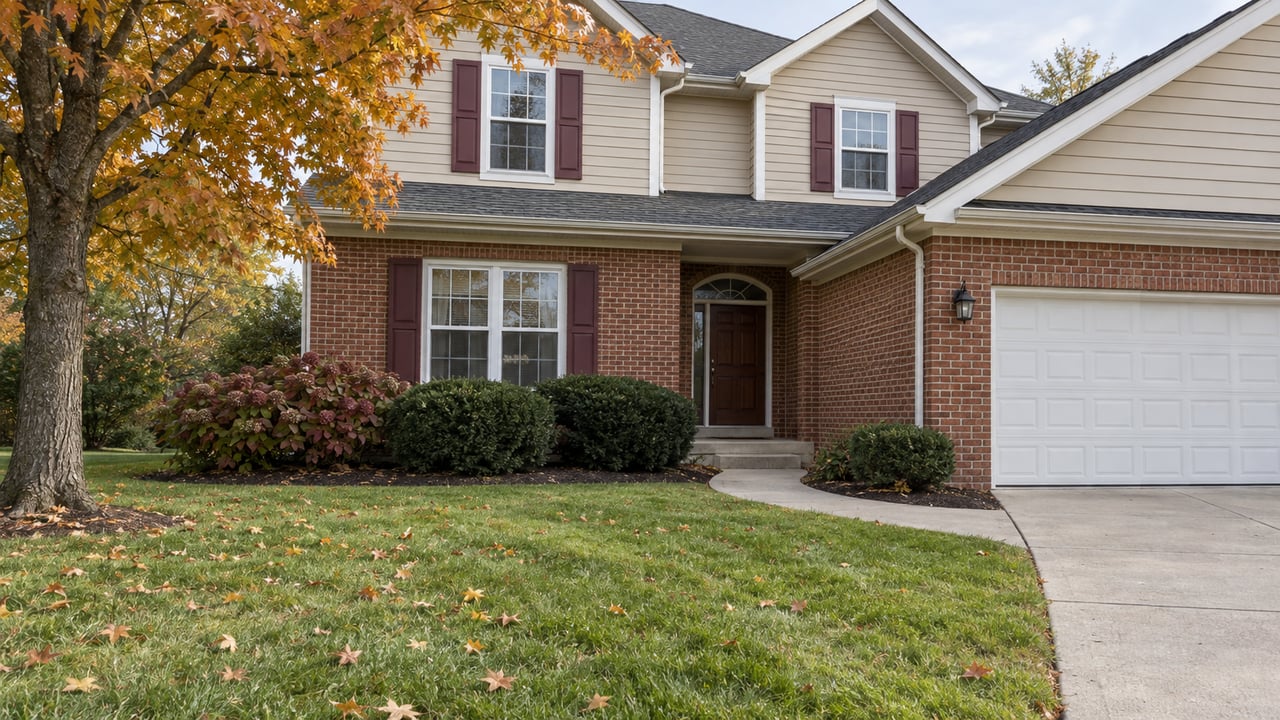
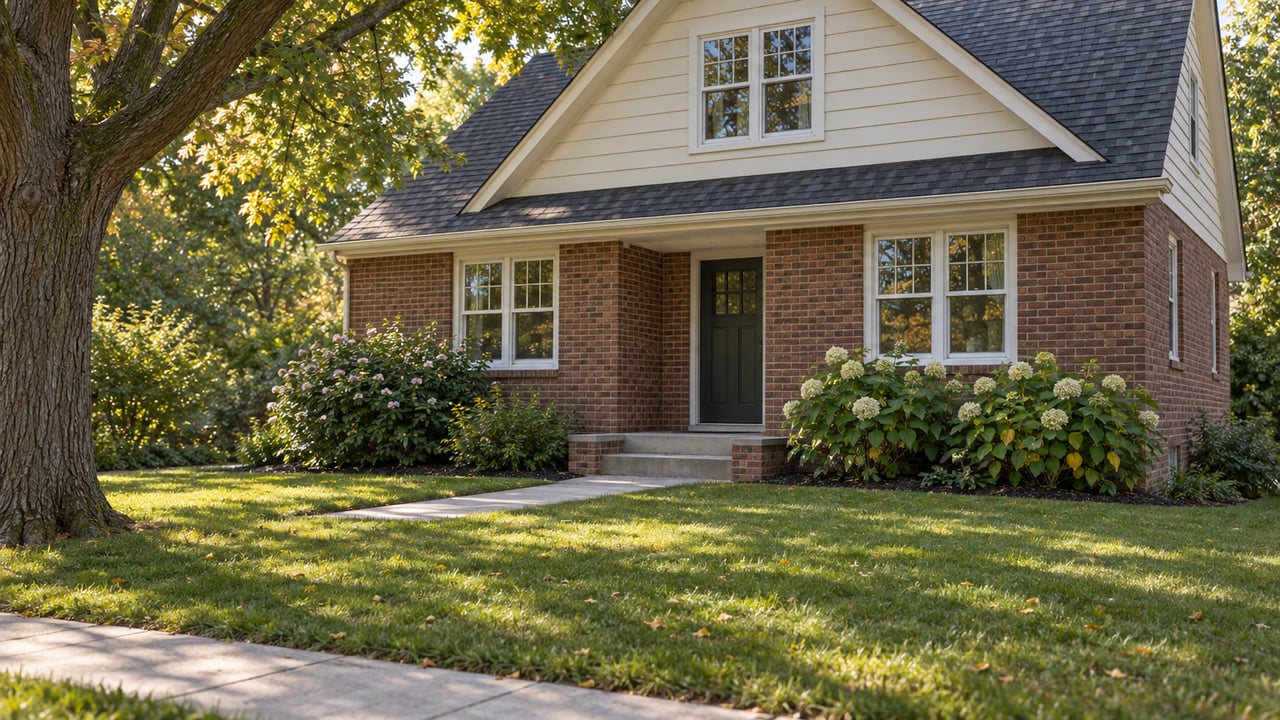
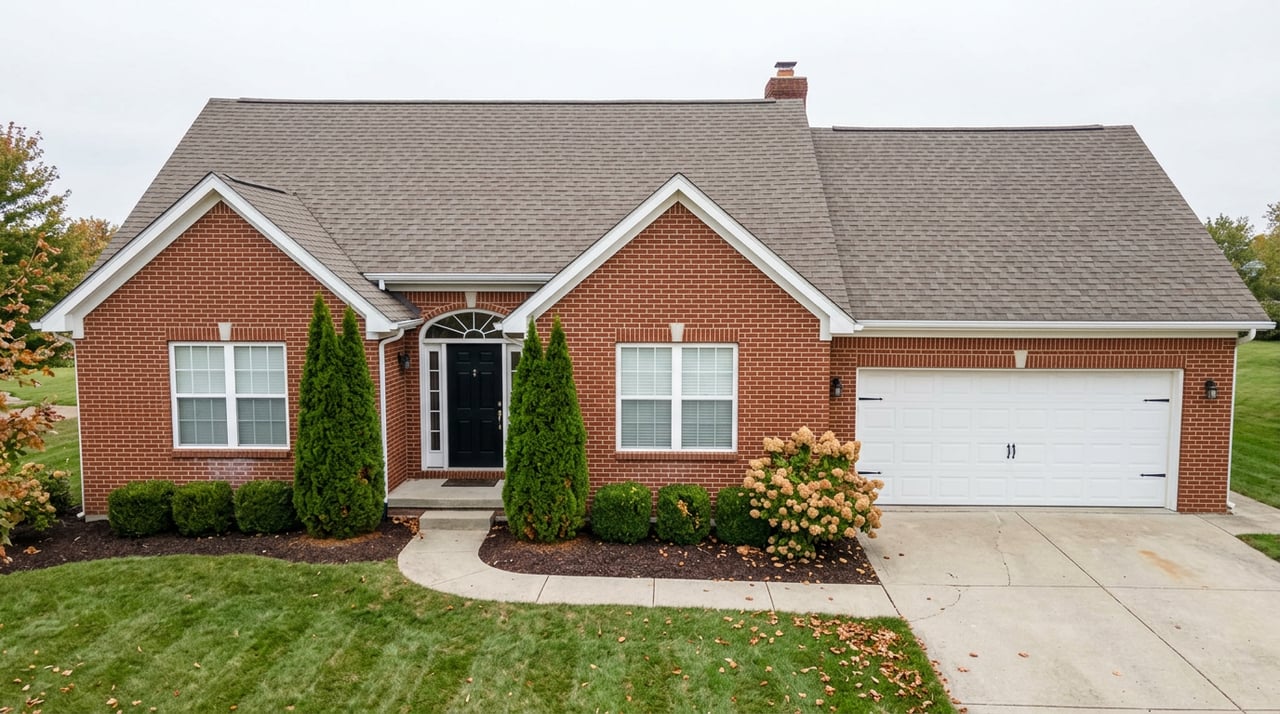
On the edges of downtown, you’ll see early to mid-20th-century single-family homes, including colonials, Tudors, and bungalows. Many have been renovated, and you’ll also find infill options like townhomes and low- to mid-rise condos. A short drive away, larger-lot single-family homes appeal to move-up buyers who want more space.
Price and trade-offs
Birmingham is one of the higher-priced markets in the Detroit region. You’re paying a premium for location, schools, and amenities, especially in or near the walkable core. Budget-conscious buyers often consider smaller condos or townhomes close to downtown or look slightly farther out for single-family value.
What to research before buying
- Current median prices, days on market, and inventory by property type.
- Property taxes and assessments through county resources.
- HOA fees, rules, and reserves for condos and townhomes.
- Parking logistics and any permit systems for downtown-adjacent streets.
- Noise and event schedules near specific blocks you’re considering.
Schools and family life
Public and private options
Birmingham Public Schools serves the city and is widely regarded as strong, with a range of extracurriculars. Several private and independent schools in nearby communities expand your choices. Always verify current ratings, programs, and attendance boundaries for the specific address you have in mind.
Daily rhythm for families
Living near downtown means quick walks to snacks, story time, or a casual dinner after practice. Playgrounds and larger fields are often a short drive from the core, so plan your weekly routine around both walkable convenience and those quick trips. Many families appreciate the blended urban-suburban feel: active streets when you want them, quiet residential blocks when you don’t.
Getting around and commute
Road access
Woodward Avenue runs through the heart of Birmingham, offering direct routes south toward Detroit and north to other suburbs. Highways like I-75 and I-696 are a short drive away, which helps with regional commutes. Commute times vary by time of day, so test your route during rush hour.
Transit and biking
Regional bus routes and park-and-ride options exist but are more limited than big-city systems. Bike lanes and trails are present in some areas, though daily bike commutes depend on your exact route and comfort. Most residents rely on cars for work and errands outside the core.
Parking tips
On-street spaces and municipal lots support the downtown economy. During events and peak dining hours, expect fuller blocks and plan a few extra minutes. If you will host guests often, check visitor parking rules for your street or building.
Safety and livability
Crime overview
Birmingham’s crime rates are generally lower than national averages for comparable suburban centers. Still, review recent local police and county reports to understand trends on the blocks you’re targeting. It’s smart to visit at different times of day and talk to neighbors.
Noise and event patterns
The core is vibrant, with moderate evening activity. If your priority is a quiet street, assess proximity to restaurants, bars, and event venues, and listen during weekends. A few blocks can make a meaningful difference.
Aging in place
Condos and ground-floor units can offer low-maintenance living with elevator access. Some older buildings may not include universal-design features, so check for step-free entries, bathroom layout, and nearby healthcare. Plan for long-term comfort if you expect to stay for years.
Is Birmingham a fit?
Choose Birmingham’s walkable downtown if you want short, easy trips for coffee, dinner, and errands. You’ll enjoy a curated dining and retail scene, a steady calendar of community events, and an urban-suburban blend. The trade-off is cost and the need to drive for larger parks, big-box shopping, and some family activities.
Signs it could be right for you:
- You value a compact, polished core where many errands happen on foot.
- You want both daytime family energy and laid-back evenings.
- You’re comfortable paying a premium for location, schools, and amenities.
- You like older architectural character with updated finishes or newer infill options.
Next steps to explore
- Visit on a weekday morning, a weekend afternoon, and an event evening to feel the rhythm.
- Walk from candidate homes to coffee, groceries, the library, and dinner to time each route.
- Test your commute during peak hours and note parking options near your workplace.
- Confirm school attendance boundaries and compare programs for your priorities.
- Review taxes, HOA details, and any special assessments for target properties.
- Align your budget with expected trade-offs, then tour a mix of condos, townhomes, and single-family homes.
If you want a guided, local look at Birmingham’s neighborhoods, condos, and single-family options near the core, reach out to the husband-and-wife team that knows this corridor best. Connect with The Siciliano Group for a personalized plan, on-the-ground tours, and clear next steps that fit your timeline and budget.
FAQs
Can you do daily errands on foot in downtown Birmingham?
- Yes, many cafés, specialty groceries, services, and dining spots are within a few blocks if you live in or next to the core; larger stores are a short drive.
How do Birmingham school options compare for families?
- The city is served by Birmingham Public Schools and has nearby private options; verify ratings, programs, and attendance boundaries for your specific address.
What housing types are walkable to downtown Birmingham?
- You’ll find renovated older single-family homes, plus infill townhomes and low- to mid-rise condos on the edges of the core, with larger-lot homes a short drive away.
How is parking for residents and visitors near downtown Birmingham?
- Downtown uses a mix of on-street spaces and municipal lots; learn local permit rules and expect busier periods during events and peak dining hours.
What are typical commute options from Birmingham to Detroit and nearby suburbs?
- Most residents drive using Woodward Avenue and nearby highways; bus service exists but is limited compared to big cities, so test your route during rush hour.
Is downtown Birmingham noisy at night?
- Activity is moderate and varies by block; visit on weekend evenings to assess sound levels near any home you’re considering.