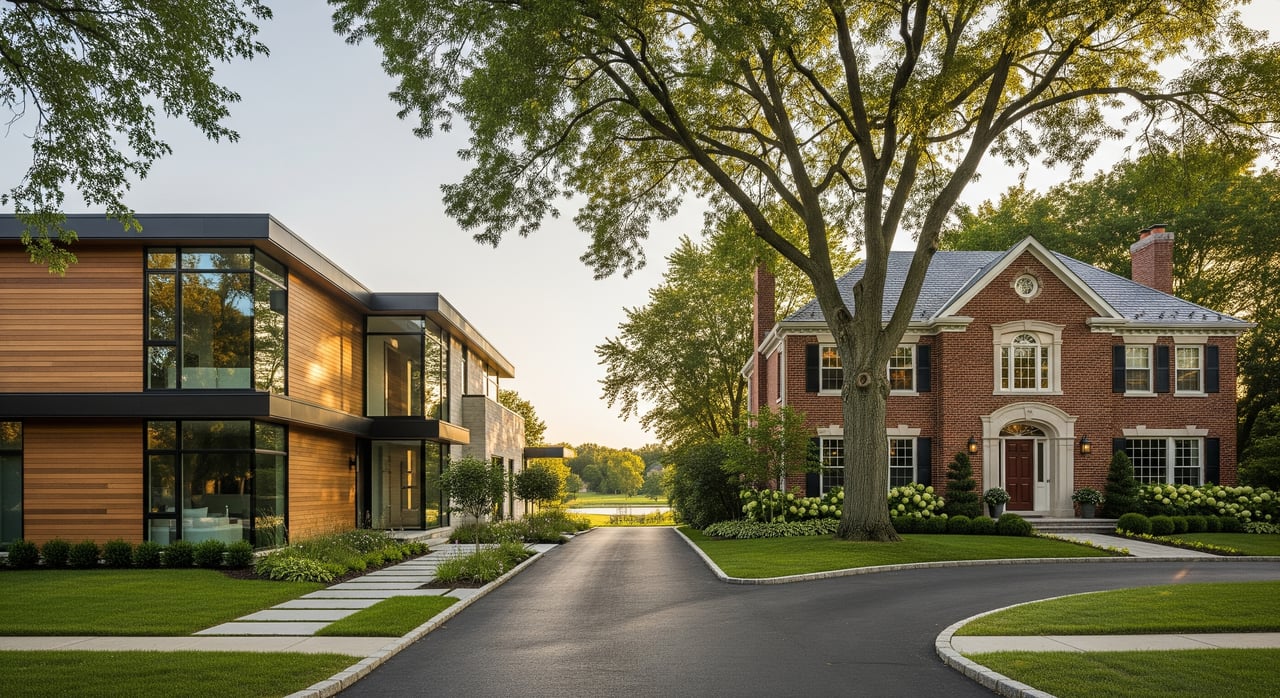
Torn between the clean slate of a brand-new home and the character of an established neighborhood? In Novi and nearby Oakland County communities, both paths can be smart. You want the best fit for your budget, timeline, and comfort with risk. This guide compares new construction and resale step by step so you can move forward with confidence. Let’s dive in.
New vs. existing in Novi
Price and cost structure
New construction pricing often includes a base price plus a lot premium, upgrades, and builder or permit fees. Builders may offer incentives like rate buydowns or closing-cost help that change with the market. Resale homes usually have one negotiated purchase price, though you may plan for near-term maintenance or updates. Weigh the full cost, not just the sticker price.
Customization and finishes
If you buy early in a community, you can choose finishes and some floor plan options. Custom choices add cost and can extend timelines. With resale, you inherit existing finishes and can remodel later. Your decision hinges on how much you value picking every detail versus moving in sooner.
Timing and move-in
New builds involve lot selection, permits, construction, and multiple inspections, which can take months and face weather or supply delays. Resale closings often land in a more predictable 30 to 60 days, depending on financing and negotiations. If you need to be in a home quickly, look at resale or finished spec homes. If you can wait, new construction opens more options.
Energy and maintenance
New homes meet current building codes and usually deliver better insulation, windows, HVAC, and overall efficiency. That often means lower near-term maintenance and operating costs. Resale homes may have higher immediate maintenance needs but can come with a lower purchase price in certain neighborhoods. Consider your appetite for projects in the first year.
Resale value and neighborhood maturity
New subdivisions can appreciate as amenities complete and more homes close. Established neighborhoods offer mature landscaping and known traffic patterns. Appraisers look at recent comparable sales, so both community maturity and new-home comps matter. Think about how long you plan to stay and how the area will evolve.
Inspections and warranties
New-build inspection timeline
Builders have their own inspections, but you benefit from an independent inspector experienced with new construction. Common checkpoints include pre-concrete/footings, framing or pre-drywall, systems commissioning, and a final punch-list walk-through. Keep detailed records of issues and resolutions. Plan for an 11 to 12-month warranty walkthrough to capture anything that appears after your first seasons in the home.
Resale inspection approach
Most buyers hire a general home inspector and add specialists as needed for roof, HVAC, sewer, or pests. Negotiations often center on repair requests or credits. The process aims to clarify urgent defects, safety issues, and estimated remaining life of major systems. Keep inspection timelines tight to protect your contingencies.
Warranties and claims
Builders commonly offer a 1-year workmanship/materials warranty, 2-year systems warranty, and a limited structural warranty that can extend to 10 years. Confirm the written warranty terms, start date, exclusions, and whether it is backed by a third party. Resale homes are usually sold as-is except for repairs negotiated after inspection. Transferable manufacturer warranties on appliances may carry over if available.
Appraisals and financing
Appraisals: new vs. resale
Appraisals for new builds can be challenging if there are few closed comps in the same community. The appraiser might use nearby new-home sales or earlier phases. If the appraisal comes in low, you may need to renegotiate price, increase cash to close, or request a builder concession. Established neighborhoods usually have more recent comps, which can make valuations more predictable.
Financing paths
New construction financing can take several forms. Some buyers use a construction-to-permanent loan. Others finance a completed spec home with a standard mortgage similar to a resale. Rate locks and closing dates matter, so confirm what happens if construction runs long. For resale homes, conventional, FHA, VA, and other options are common, with underwriting often moving faster for move-in-ready homes.
Title and easements
In new subdivisions, check title for recorded easements, HOA covenants, and any public improvement or construction liens while development is underway. For resale homes, title should be clear of builder-related encumbrances, though long-term easements can still exist. Review your title commitment and ask questions early.
HOA and community rules
Builder control and transition
Most new communities have a builder-controlled HOA until enough homes sell. During that period, budgets and amenities remain in flux. Transition to homeowner control is set in the recorded documents and may hinge on occupancy thresholds. Early owners should plan for evolving rules and possible budget changes.
Documents to review
Ask for CC&Rs, bylaws, rules, fee schedules, and any reserve studies or meeting minutes. Look for master associations or layered dues. Study the budget for line items like landscaping, snow removal, and amenity maintenance. Understanding the numbers helps you avoid surprise assessments.
Amenities timelines
If a builder advertises pools, clubhouses, or parks, get the timeline and remedies in writing. Verify who maintains each amenity and when ownership shifts to the HOA. This is especially important if your decision hinges on access to specific facilities. Written details protect expectations.
Decision checklist for Novi buyers
- Budget flexibility: Can you handle a lot premium or upgrade costs, or do you need a predictable total price?
- Timing needs: Need to move in 60 to 90 days? Consider resale or a finished spec home. Can you wait months? A new build could work.
- Construction risk tolerance: Are you comfortable with weather or supply chain delays? If not, resale may fit better.
- Desired features: Do you need a specific floor plan or finishes? New construction offers customization. Prefer mature trees and established street patterns? Resale may win.
- Maintenance tradeoffs: Want fewer near-term repairs and better efficiency? New construction usually helps. Comfortable with projects later? Resale can be smart.
- Warranty importance: New builds typically include structured warranties that reduce first-year risk.
- Financing complexity: If you rely on FHA or VA, confirm new-build documentation and appraisal requirements with your lender early.
- HOA preferences: Want predictable dues and completed amenities? Mature resale communities often offer stability. New communities can change as they grow.
Where an agent adds value
For new construction
- Negotiate upgrade allowances, closing-cost help, rate buydowns, and lot premiums.
- Set realistic timelines in writing and clarify remedies if occupancy is delayed.
- Coordinate independent inspections at framing, systems, and final walkthroughs.
- Review the builder’s warranty terms and claims process with you before you sign.
- Prepare appraisal strategies for potential shortfalls and coordinate with your lender.
- Pull HOA documents, verify amenity completion schedules, and confirm reserve funding.
- Review title and recorded documents for easements and potential construction liens.
For resale
- Coordinate thorough inspections and negotiate repairs or credits.
- Verify the condition and expected life of the roof, HVAC, plumbing, electrical, and foundation.
- Confirm any transferable warranties on systems or appliances.
- Request utility histories, property tax records, and HOA documents when relevant.
After closing support
- Track punch-list items and warranty requests within the builder’s required windows.
- Keep documentation to support escalation if needed.
- Connect you with local specialists, inspectors, and lenders familiar with Novi and Oakland County.
Red flags to watch
- No detailed written warranty or unclear claims process.
- Limited or no allowance for independent inspections.
- HOA controlled by the builder with vague budgets and no reserve planning.
- Amenity promises without written timelines or remedies for delays.
- Contract terms that lack clear appraisal or delay contingencies.
Documents to request
- Purchase contract and all addenda.
- Builder warranty documents and claim procedures.
- HOA CC&Rs, bylaws, rules, budgets, reserve studies, fee schedules, and meeting minutes.
- Plat map, lot premiums, and any recorded covenants or easements.
- Permit and inspection history when available.
- Title commitment and any construction lien information.
- Builder license and insurance information, plus any third-party warranty details.
Putting it together
If you want customization, energy efficiency, and a warranty, new construction can be a great fit when your timeline allows. If you need predictability on move-in and price, or you love mature neighborhoods, a resale home may be the straightforward choice. The right agent helps you balance cost, timing, and risk so your decision holds up on closing day and beyond. Ready to compare specific Novi options and see numbers tailored to your plan? Reach out to The Siciliano Group for one-on-one guidance that protects your time and budget.
FAQs
How long does new construction usually take in Novi?
- Build timelines often span several months and depend on permitting, weather, and material availability. If you need to move fast, consider resale or a finished spec home.
What inspections should I schedule for a new build in Oakland County?
- Ask for pre-concrete, framing or pre-drywall, systems commissioning, and a final punch-list walkthrough, plus an 11 to 12-month warranty check after move-in.
How do appraisals work on new homes in Novi?
- Appraisers rely on comparable sales, which can be limited in early phases; if value comes in low, you may renegotiate, bring more cash, or seek a builder concession.
What should I know about HOAs in new communities near Novi?
- Many are builder-controlled at first, with evolving budgets and amenities; review CC&Rs, fee schedules, and any reserve studies to understand future costs.
Can I use FHA or VA financing for new construction in this area?
- Often yes, but documentation and appraisal requirements can differ; confirm early with your lender and align your contract with the loan’s timing and condition standards.