If you want a neighborhood where you can grab coffee, meet friends for dinner, and still get around Metro Detroit without too much hassle, living near downtown Royal Oak can feel like a smart fit. It offers a walkable core, a lively social scene, and a mix of housing options that appeal to different stages of life. If you are weighing convenience against crowds, this guide will help you understand what daily life near downtown Royal Oak is really like. Let’s dive in.
Why downtown Royal Oak stands out
Downtown Royal Oak has built a reputation as one of Metro Detroit’s most active and walkable districts. City information highlights its mix of dining, shopping, entertainment, cafés, nightlife, and year-round events, all supported by a dense pedestrian grid and frequent crossings.
That matters because walkability changes your routine in practical ways. You may be able to leave the car parked for coffee, dinner, errands, or a weekend outing, which can make daily life feel simpler and more connected.
Centennial Commons also gives the area a public gathering space that helps balance the downtown feel. Located near City Hall and the library, it includes seating, picnic areas, a stage, a water feature, and a climbing feature, which adds an open-space anchor to the center of town.
Cafes and casual food spots
One of the biggest draws of living near downtown Royal Oak is how easy it is to make cafés and brunch spots part of your routine. Local examples in and around downtown include Atomic Coffee, Give Thanks Bakery, Café Muse, Le Crepe, and Cacao Tree Cafe.
For many buyers, that means more than just having places nearby. It means your morning coffee run, casual lunch, or weekend brunch can feel less like a planned trip and more like part of the neighborhood rhythm.
The Royal Oak Farmers Market adds another layer to that lifestyle. A few blocks east of Main Street, it hosts Saturday produce sales, Sunday antiques-and-collectibles shopping, and recurring food-truck events.
Nightlife and entertainment options
If you enjoy an active evening scene, downtown Royal Oak offers plenty of variety. Notable nightlife-oriented spots include 526 Main Dueling Piano Bar, Ale Mary’s Beer Hall, Bar Louie, Royal Oak Brewery, and The Side Bar.
This concentration of venues is a major reason some buyers want to live close to the downtown core. You can meet friends, enjoy live entertainment, or head out for a casual night without planning a long drive.
At the same time, it is worth thinking about how much activity you want right outside your door. The blocks closest to Main Street and major event corridors are generally more exposed to evening traffic, crowds, and noise than residential streets farther from the center.
Parks and public spaces nearby
Living near downtown does not mean giving up access to green space. Royal Oak maintains 50 parks across more than 310 acres, which helps soften the urban feel with neighborhood parks and recreation areas throughout the city.
That park network can be especially appealing if you want a walkable environment without feeling surrounded only by storefronts and pavement. Even when you live near an active downtown, nearby parks and public spaces can give your routine more balance.
Centennial Commons plays an important role here too. Its seating areas, stage, and water feature help make downtown feel like a place to spend time, not just a place to pass through.
Housing near downtown Royal Oak
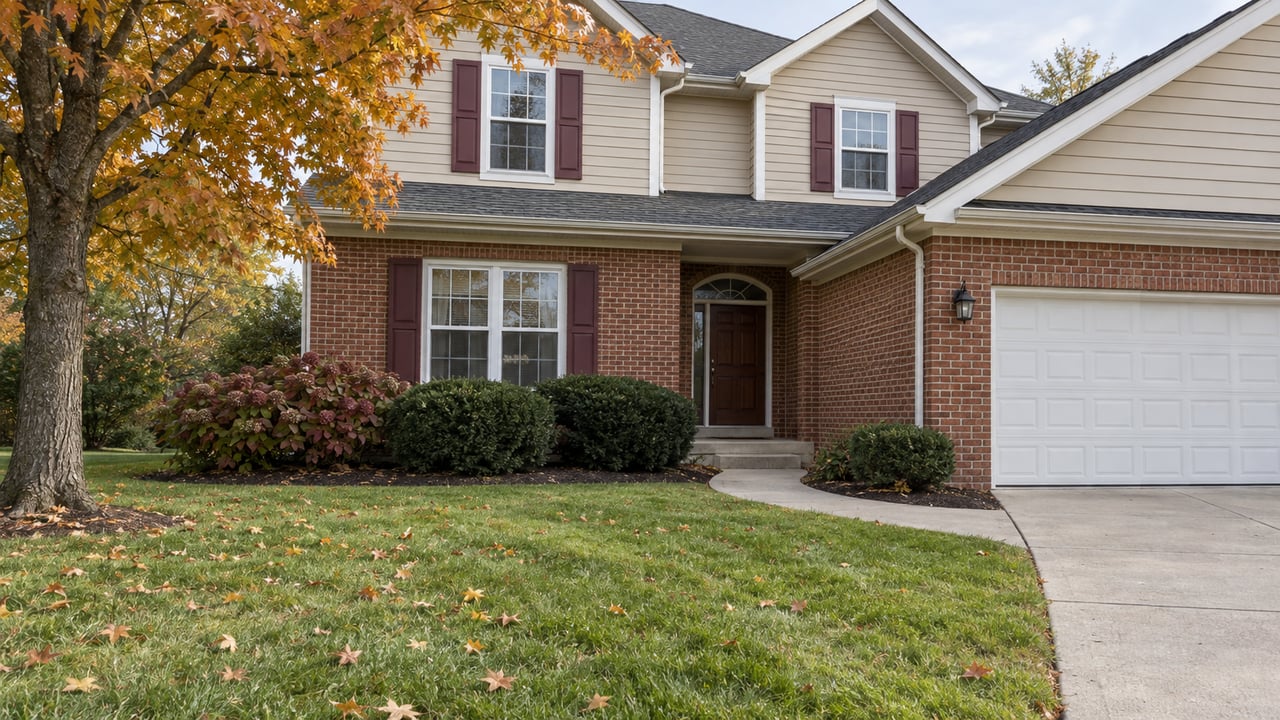
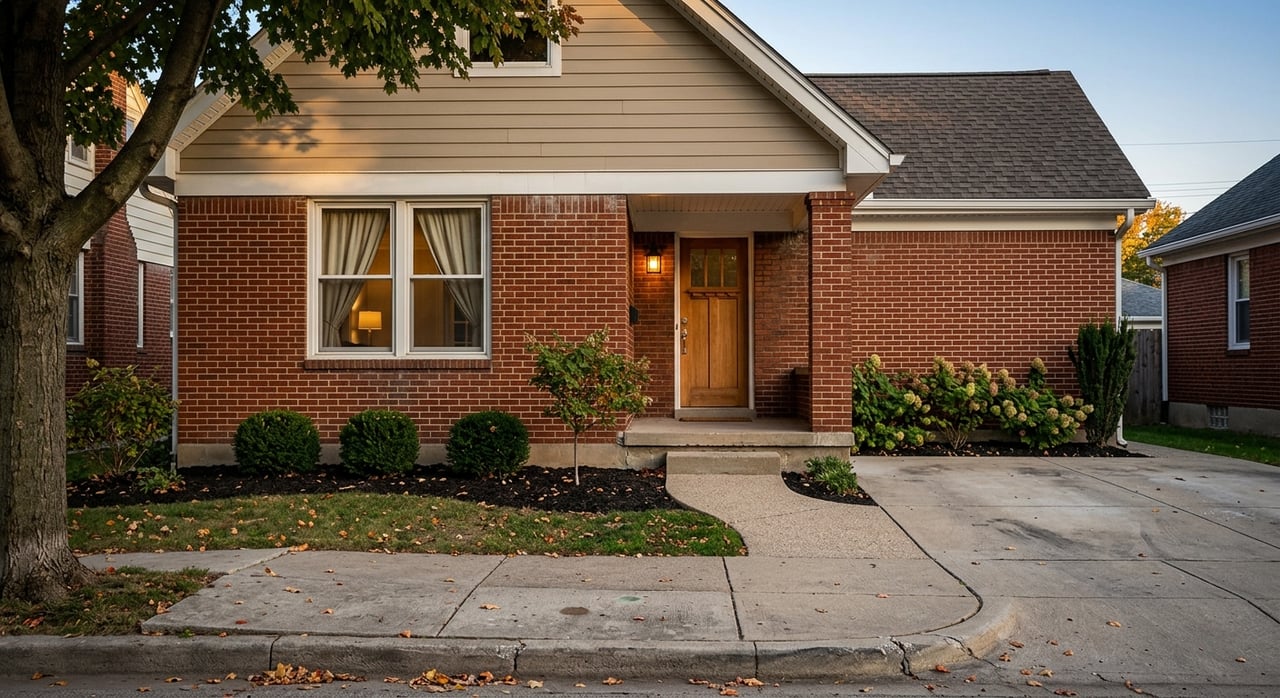
Housing near downtown Royal Oak tends to be more varied and higher density than what you may find farther out in surrounding suburbs. The city describes Royal Oak as having a wide mix of residential home styles, while downtown-adjacent options include loft-style residences and apartment or co-op choices such as Skylofts Royal Oak, Main Street Lofts, Troy Street Lofts, Royal Oak Manor, and Barton Towers.
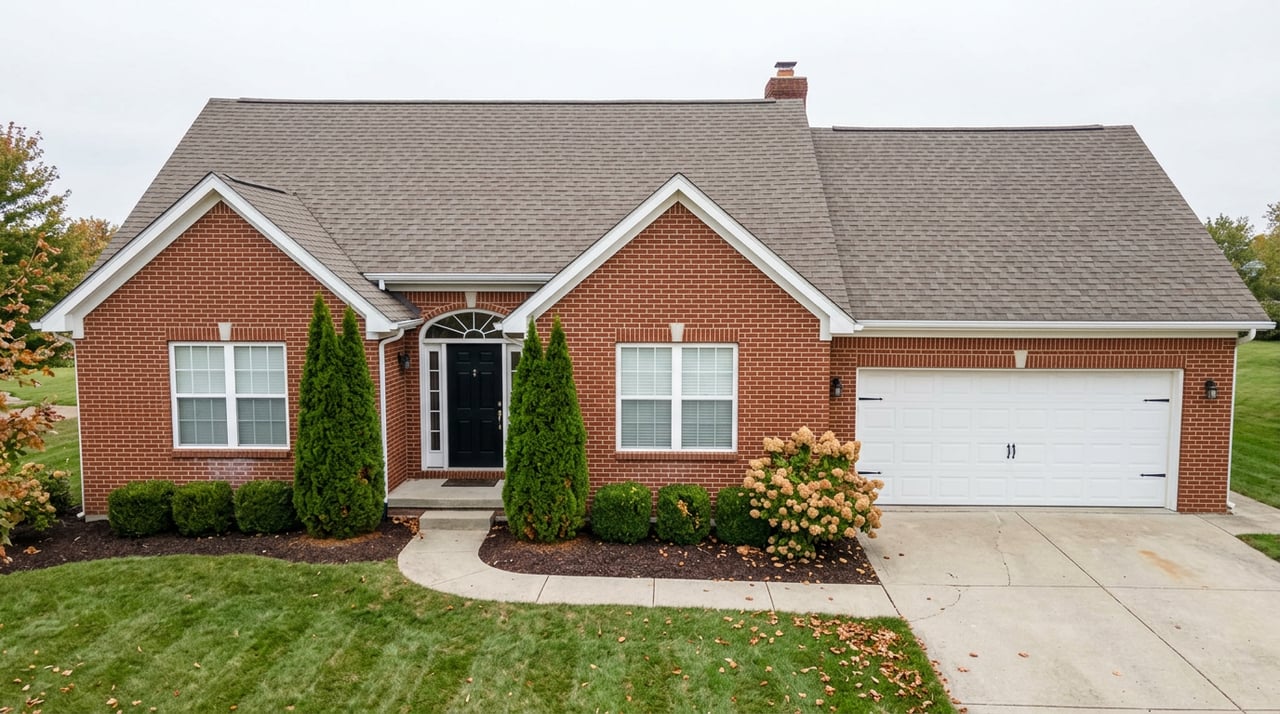
In practical terms, the closer you get to the core, the more likely you are to see attached homes, mixed-use buildings, and other denser housing options. Detached single-family homes are still part of the local mix, but the feel can shift block by block.
That variety is one reason the area appeals to first-time buyers, relocators, and people looking to simplify their lifestyle. You can often choose between being right in the middle of downtown activity or living a little farther out while still staying close to it.
Historic character and renovation limits
Some close-in residential streets keep an older, established look because Royal Oak has 15 historic districts. For certain designated properties, exterior changes are reviewed by the Historic District Commission.
For buyers, that can be both a benefit and a consideration. Historic designation can help preserve neighborhood character, but it may also limit how freely you can change a home’s exterior.
If you are comparing homes near downtown, this is one detail worth checking early. A property’s location and designation can affect your renovation plans, timeline, and overall flexibility.
What the numbers say
A few citywide data points help frame the market. According to the Census Bureau, Royal Oak has an owner-occupied housing rate of 68.0%, a median owner-occupied home value of $328,700, a median gross rent of $1,381, and a mean travel time to work of 23.8 minutes.
These figures do not tell the whole story for any one block or property, but they do offer a useful snapshot. They suggest a city with a strong ownership base, a meaningful rental market, and a commute profile that fits many buyers looking for inner-ring suburban access.
Parking and everyday tradeoffs
The biggest tradeoff of living near downtown Royal Oak is usually parking. The city has four parking structures, with the first two hours free Monday through Saturday and no charge on Sundays, while on-street parking is capped at three hours.
Royal Oak also offers downtown monthly parking permits for some lots, with rates ranging from $45 to $75 depending on location. Residential permit parking is available in some areas, and the city uses ParkMobile and pay-by-plate tools for many downtown spaces.
For residents, that means parking is manageable, but it is not always effortless. If you live very close to the busiest parts of downtown, guest parking, event weekends, and day-to-day convenience may require more planning than in a quieter residential area.
Crowds, noise, and events
A lively downtown comes with periods of heavier activity. Royal Oak remains a popular destination for dining, shopping, and community events, and that popularity shapes how busy the area can feel.
Large events can add even more pressure. During Arts, Beats & Eats, for example, the city notes that Amtrak parking is unavailable, and the festival itself brings major attendance, food, art, music, and long daily hours over Labor Day weekend.
This does not mean downtown living is a poor choice. It simply means your experience can vary depending on how close you are to Main Street, parking structures, and event routes.
Commutes and regional access
One reason downtown-adjacent Royal Oak appeals to so many buyers is its regional access. The city says Royal Oak is easily reached by I-75, I-696, and Woodward Avenue, which supports commuting to many parts of Metro Detroit.
Royal Oak also offers transportation options beyond driving. SMART serves the city daily, the Connector provides local transportation by appointment, and Amtrak stops in Royal Oak for trips to hub cities including Chicago.
That combination works well if you want a walkable local lifestyle but still need broader mobility. You can enjoy nearby restaurants, cafés, and errands on foot while keeping practical access to work, travel, and regional destinations.
Who will enjoy living here most
Living near downtown Royal Oak is often the best fit for buyers who value convenience, social energy, and a connected street life. If you like being close to coffee shops, restaurants, parks, and local events, the area offers a lot to enjoy in a relatively compact footprint.
It may be a less natural fit if your top priority is a very quiet setting, easy driveway parking, or a larger-lot suburban feel. In that case, a nearby neighborhood a bit farther from the core may offer a better balance.
The key is matching the home’s exact location to your routine. In Royal Oak, a few blocks can make a big difference in noise, parking, housing style, and day-to-day feel.
If you are thinking about buying or selling in Royal Oak, working with a team that understands those street-by-street differences can help you make a more confident decision. The Siciliano Group brings a local, hands-on approach to Metro Detroit real estate, with the responsiveness and neighborhood insight that matter when you are narrowing down where to live. When you are ready to talk through your options, connect with The Siciliano Group.
FAQs
What is it like to live near downtown Royal Oak?
- Living near downtown Royal Oak often means easy access to cafés, restaurants, nightlife, shops, events, and public spaces in a walkable setting.
What types of homes are near downtown Royal Oak?
- Near downtown Royal Oak, you are more likely to find a mix of lofts, apartments, co-ops, mixed-use housing, and some detached single-family homes.
Is parking difficult near downtown Royal Oak?
- Parking can be one of the main tradeoffs, especially close to Main Street and during events, although the city provides parking structures, permit options, and residential parking tools.
How long is the average commute from Royal Oak?
- The Census Bureau reports a mean travel time to work of 23.8 minutes for Royal Oak residents.
Does downtown Royal Oak have public transit access?
- Yes. City information says SMART serves Royal Oak daily, the Connector offers local transportation by appointment, and Amtrak stops in Royal Oak.
Are there historic homes near downtown Royal Oak?
- Yes. Royal Oak has 15 historic districts, and some designated properties near downtown may have exterior changes reviewed by the Historic District Commission.