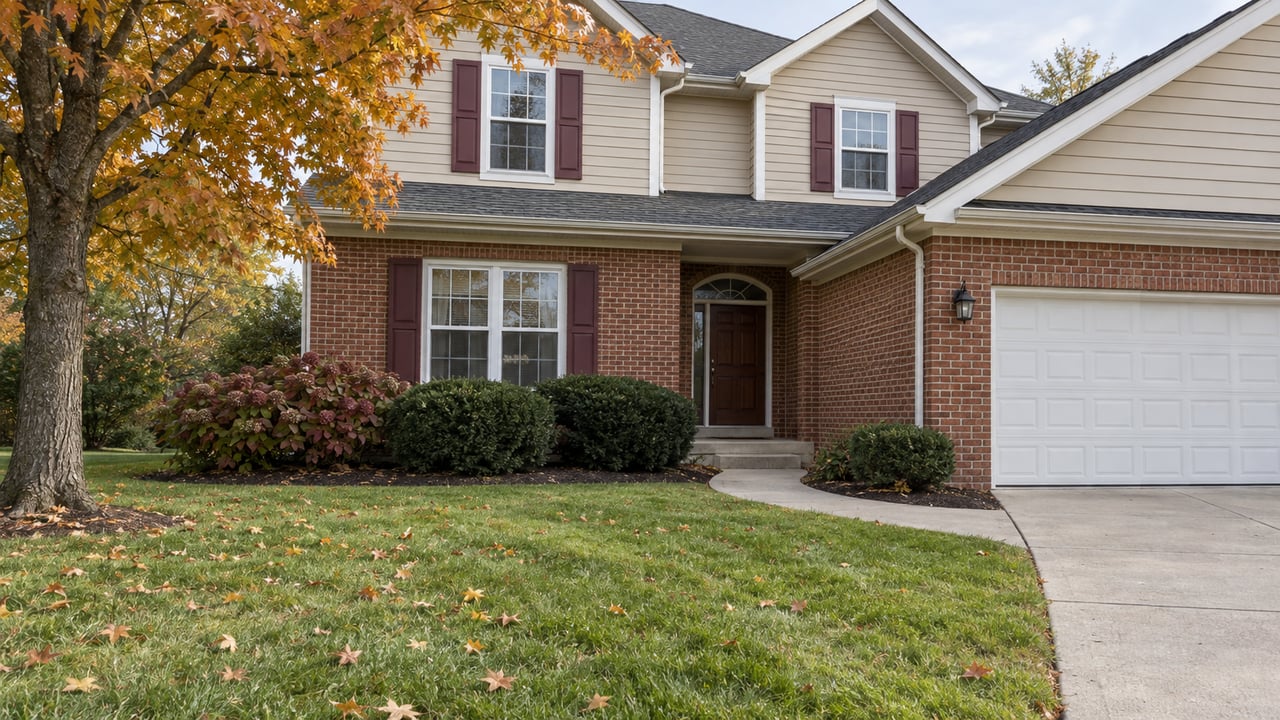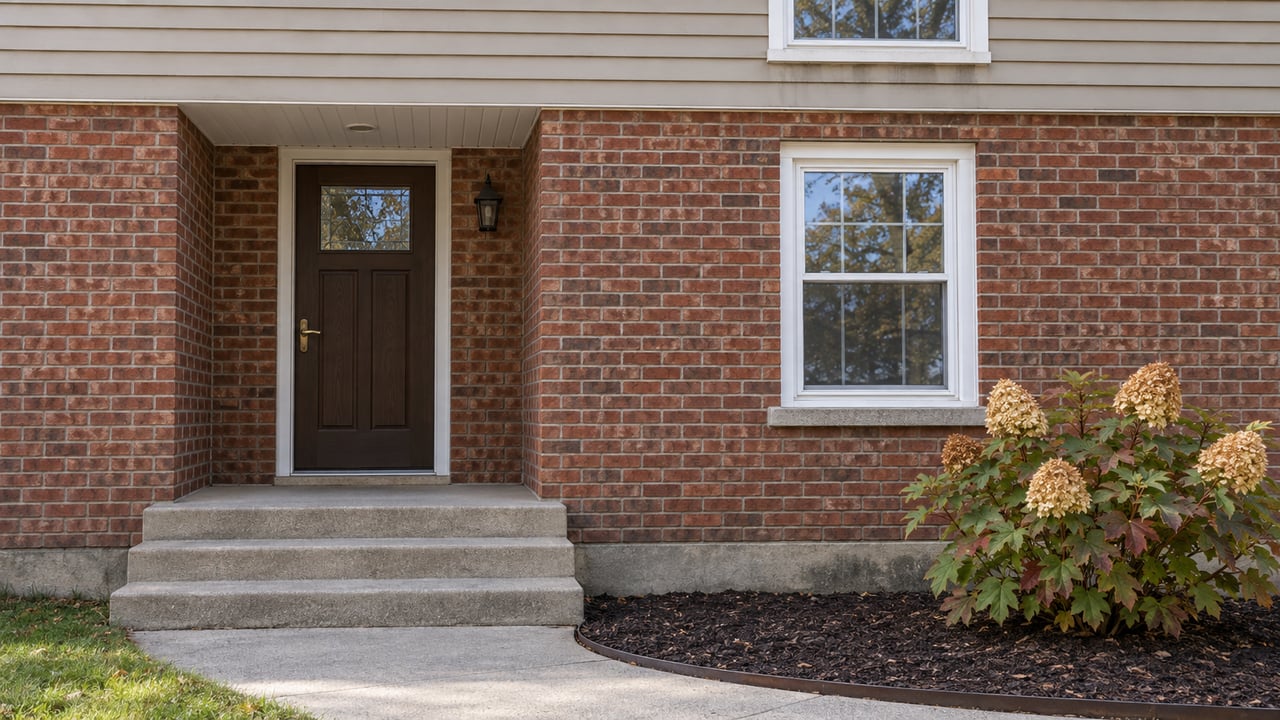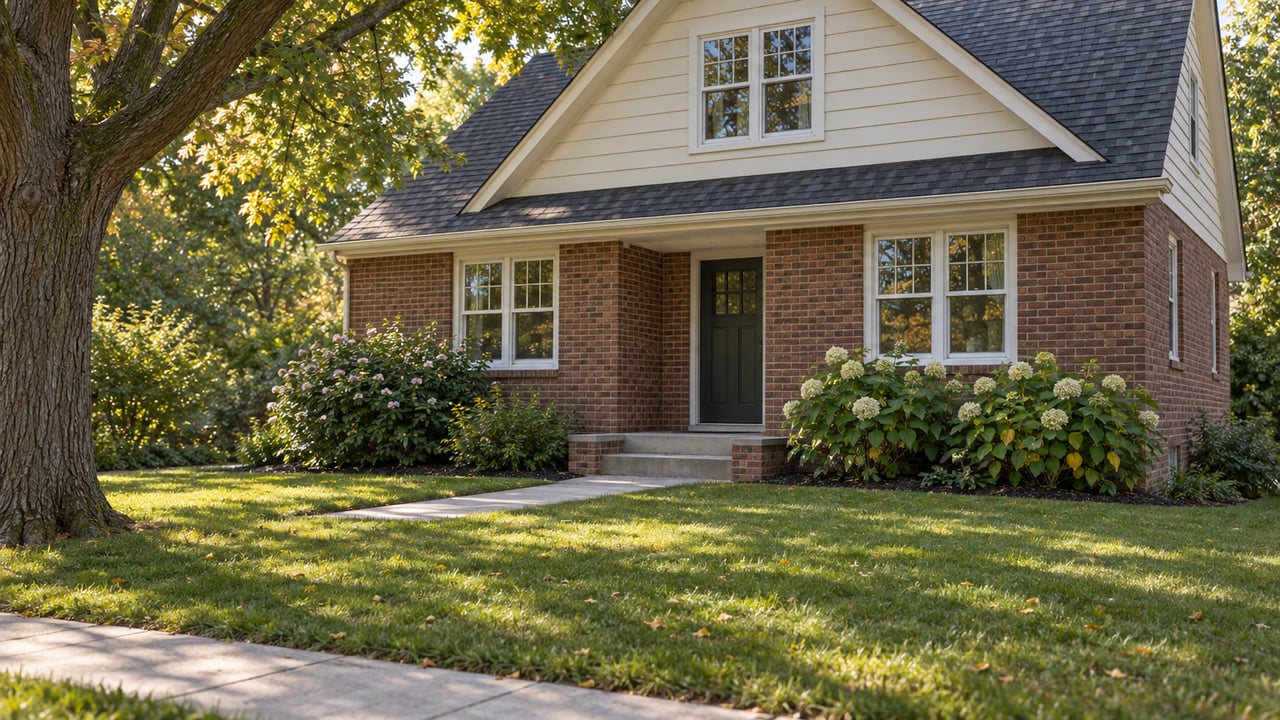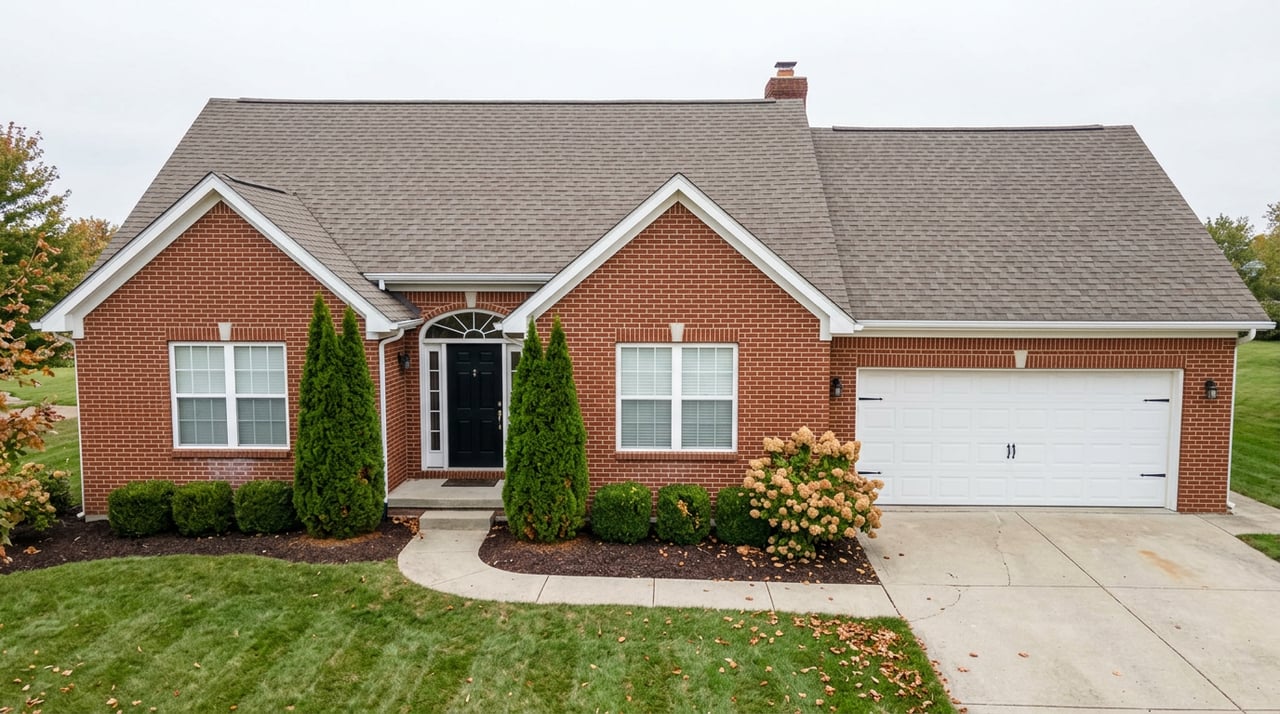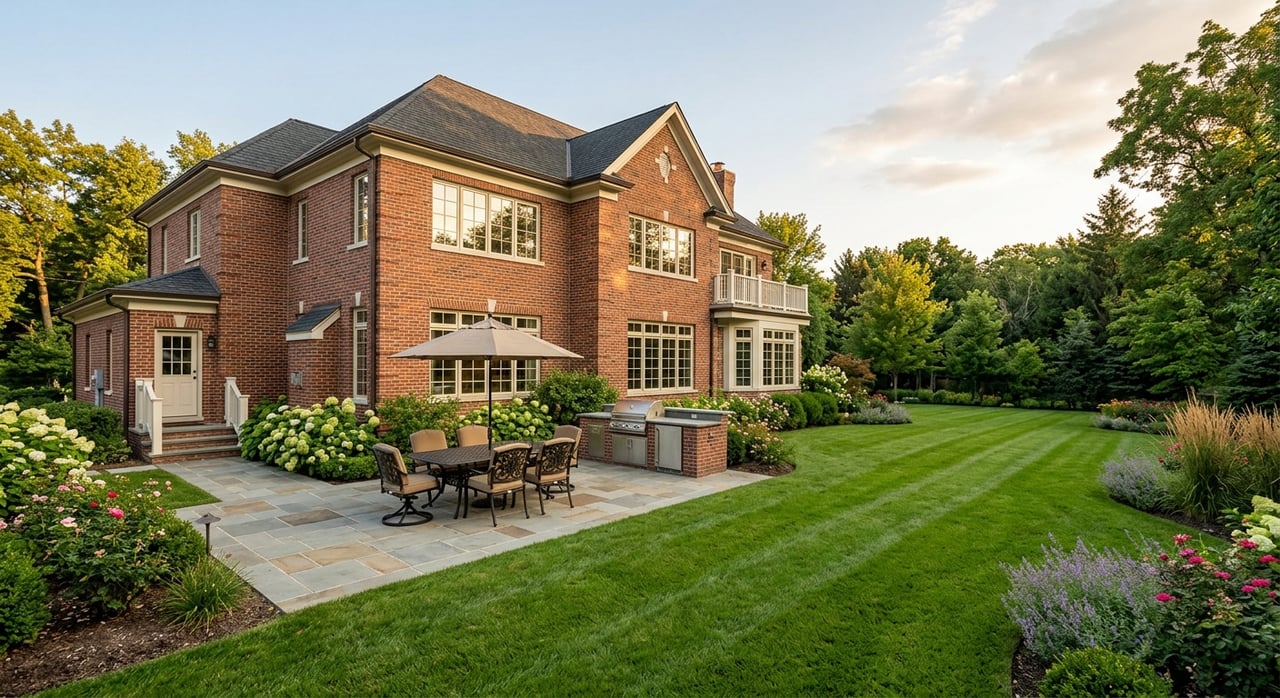
Looking for a home in Bloomfield Township often comes down to one big question: what kind of lifestyle do you want your address to support? In one part of the township, you may find winding roads near lakes. In another, you may be comparing homes near private golf courses or established neighborhoods with larger lots and mature trees. If you want to buy here, it helps to understand how those settings differ before you start touring homes. Let’s dive in.
Why Bloomfield Township Feels Distinct
Bloomfield Township is a charter township in Oakland County with about 44,000 residents across 26 square miles. According to the township, the community has evolved from an agricultural and vacation-home past into an area known for high-end residences, commercial establishments, scenic lakes and streams, and a largely residential land pattern.
That residential focus matters when you are house hunting. The township says about 95% of the community is residential, and its future land use plan shows that 72.4% of acreage is devoted to single-family residential use, with 8.5% in lakes and 5.3% in recreation. In practical terms, that means buyers are usually choosing between established neighborhood patterns rather than waiting for large new developments.
The township is also primarily built out. Planning documents say future change is expected mostly through redevelopment and infill, not large-scale expansion. For you as a buyer, that can make lot size, existing home condition, and renovation potential especially important.
How Housing Patterns Shape Your Search
Most of Bloomfield Township’s housing stock was built during the 1950s and 1960s. Many streets are lined with mature trees, and some neighborhoods include sidewalks, which can make one area feel very different from another even within the same township.
The township also notes a common redevelopment pattern: some older homes are demolished and replaced with larger homes on one or more lots. If you are comparing move-in-ready options with remodel opportunities, this is a key part of the local housing picture. A home’s value may reflect not only the house itself, but also the lot, setting, and long-term redevelopment appeal.
Lake Neighborhoods in Bloomfield Township
Where lake living is concentrated
Lake-oriented living is concentrated in the western portion of Bloomfield Township. The township’s planning materials describe these areas as having larger lots, winding roads, and varying topography, which gives them a different feel from more grid-like residential sections.
That setting can be appealing if you want a more tucked-away environment. It can also mean each street and property feels highly individual, so two homes in the same general area may offer very different daily experiences.
Lakefront, lake access, and lake area are not the same
One of the biggest mistakes buyers can make is treating all “lake” listings as equal. In Bloomfield Township, it is important to separate direct frontage, lake access, and simply being near a lake-board area.
The township’s own HOA form asks whether a subdivision has a lake or lake access, which shows these are separate ownership considerations. If you are buying near a lake, you will want to confirm exactly what rights come with the property and whether those rights are attached to the parcel, shared through a subdivision, or not included at all.
What the lake boards mean for buyers
Bloomfield Township identifies eight established lake boards: Forest, Gilbert, Island, Lower Long, Meadow, Orange, Upper Long, and Wabeek. The township says these lake improvement boards focus on aquatic weed control, nuisance control, water-quality improvements, and educational activities.
For buyers, that means lake living may come with an added layer of management and cost. You should ask whether a lake-board assessment applies to the property and what kinds of shoreline or water-quality management are typical for that address.
Why one lake setting can differ from another
The township’s lake information shows how varied these properties can be. Gilbert Lake is 63 acres with about 45 homes directly bordering it, while Wabeek Lake is about 28 acres with a mostly urbanized watershed.
That difference is useful because it reminds you not to rely on broad labels. A lakefront property, a home with shared access, and a home near a lake-board boundary may all be marketed similarly, but they can offer very different ownership experiences.
Golf-Course Living in Bloomfield Township
Golf communities are tied to private clubs
If you are drawn to golf-course views or a more manicured setting, Bloomfield Township has a distinct profile. The township’s future land use plan classifies the community’s five golf courses within the recreation category and notes that the courses are private and require membership.
That is an important distinction. Golf-adjacent living here is not the same as living next to a public park or municipal course. The setting is tied to private-club land use, and that can shape the feel of nearby streets.
Notable golf locations in the township
Official township notices place Oakland Hills Country Club on the south side of Maple Road east of Telegraph Road. The township also identifies Birmingham Country Club at 1750 Saxon Drive, and planning materials reference Wabeek Country Club along the western edge.
For a buyer, these landmarks help frame where golf-oriented residential pockets may appear. They also help explain why some sections of the township feel especially shaped by open fairway views, landscaping standards, and club-related traffic patterns.
Questions to ask near a golf course
Before you buy near a golf course, keep your screening focused on the basics:
- Is club membership relevant to the lifestyle you want?
- Does the property offer actual course views or just proximity?
- How might club traffic affect your daily routine?
- Are landscaping expectations or visual standards part of the neighborhood experience?
Because these courses are private, the day-to-day feel can vary by street and club edge. A home that backs to a course may live very differently from one that is simply in the same broader area.
Estate Neighborhoods and Larger-Lot Living
Estate living is about process too
Bloomfield Township’s master plan emphasizes distinct neighborhoods, strong homeowner associations, and consistent scale and setbacks for new or redeveloped homes. That means estate-style living is not just about square footage or lot size. It is also about neighborhood structure and review processes.
The township’s HOA guidance says HOAs exist in most, if not all, township neighborhoods. It also makes clear that township and HOA roles are separate, and that permit applicants are expected to notify the HOA before construction or exterior changes.
What that means when you buy
If you are buying in a larger-home or larger-lot neighborhood, it is wise to look beyond finishes and floor plans. You should also understand the neighborhood’s association role, whether exterior projects may involve added review, and how redevelopment activity could affect the block over time.
This is especially relevant in a township where tear-down and rebuild activity can occur. The right fit for you may depend on whether you want an established home with original character, a newer replacement home, or a property with long-term renovation potential.
Bloomfield Village as an established example
Bloomfield Village is one of the clearest official examples of a premium established neighborhood pattern in the township. Planning materials say it occupies about one square mile in the southeastern portion of Bloomfield Township and includes about 1,000 dwellings.
The same materials note that some neighborhoods have sidewalks, many streets are lined with mature trees, and design review remains a priority. For buyers, that points to a daily experience shaped by neighborhood consistency, established landscaping, and a more defined visual character.
Daily-Life Factors Buyers Should Not Overlook
Road maintenance matters
In Bloomfield Township, road jurisdiction can affect your ownership experience more than you might expect. The township maintains subdivision roads, while the Road Commission for Oakland County maintains major roads such as Telegraph, Woodward, Maple, Quarton, and Franklin.
That matters for practical reasons like paving schedules, snow response, and knowing who handles certain roadway issues. If you are comparing two homes in different settings, this is one more detail worth asking about.
Walkability varies by area
Walkability is not uniform across the township. The safety-path program is intended to connect neighborhoods to schools, shopping areas, and other destinations, so some locations may feel more connected than others.
That can be especially helpful if you are choosing between a tucked-away lake area and a more established neighborhood with sidewalks or nearby paths. Your daily routine may look very different depending on how connected the immediate area feels.
Natural Beauty Roads add character
The township designates Echo Road and Wing Lake Road as Natural Beauty Roads. For some buyers, features like this can add to the appeal of a drive home and reinforce the sense of privacy, mature landscaping, and established character.
It is another reminder that in Bloomfield Township, the streetscape itself is often part of the value equation. The experience of the road, lot, and surrounding homes can be just as important as the home’s interior updates.
School boundaries require address-level review
If schools are part of your search, verify them by address. The township says Bloomfield Hills and Birmingham are the primary systems serving the township, with Avondale and Pontiac also serving portions of it.
When you are comparing similar homes, small boundary differences can matter. It is best to confirm the serving district for any property you are seriously considering.
How to Choose the Right Bloomfield Township Fit
If you are deciding between lake, golf, and estate neighborhoods, start with how you want to live day to day. A lake-area home may offer a more winding, varied setting with water-related ownership questions. A golf-adjacent home may offer a more private-club backdrop. An estate-style neighborhood may offer established character, larger homes, and more HOA or design-review structure.
The best choice usually comes from matching the property type to your routine, not just your wish list. That is where local context becomes valuable, especially in a township where redevelopment, lot patterns, and neighborhood rules can vary from one pocket to the next.
If you want help comparing Bloomfield Township neighborhoods, evaluating lot and lifestyle tradeoffs, or narrowing your search with a local strategy, The Siciliano Group is here to help you move forward with clarity and confidence.
FAQs
What makes Bloomfield Township different from other Oakland County suburbs for buyers?
- Bloomfield Township is primarily residential, largely built out, and shaped by established neighborhood patterns that include lake areas, private golf-course settings, and larger-lot neighborhoods with mature trees and redevelopment activity.
What should you verify before buying a lake-area home in Bloomfield Township?
- You should confirm whether the property has direct lake frontage, shared lake access, or only proximity to a lake area, and ask whether any lake-board assessments or water-management considerations apply.
What does golf-course living mean in Bloomfield Township neighborhoods?
- In Bloomfield Township, golf-course living is generally tied to private clubs rather than public courses, so buyers should consider membership relevance, view orientation, and how nearby club activity may affect the setting.
What should buyers know about estate neighborhoods in Bloomfield Township?
- Estate-style neighborhoods often involve more than larger homes and lots, since homeowner associations, design consistency, setbacks, and redevelopment patterns can all shape the ownership experience.
Why is address-specific research important in Bloomfield Township?
- Address-level details matter because road maintenance, safety-path connections, lake access rights, and school district boundaries can vary from one property or neighborhood pocket to another.