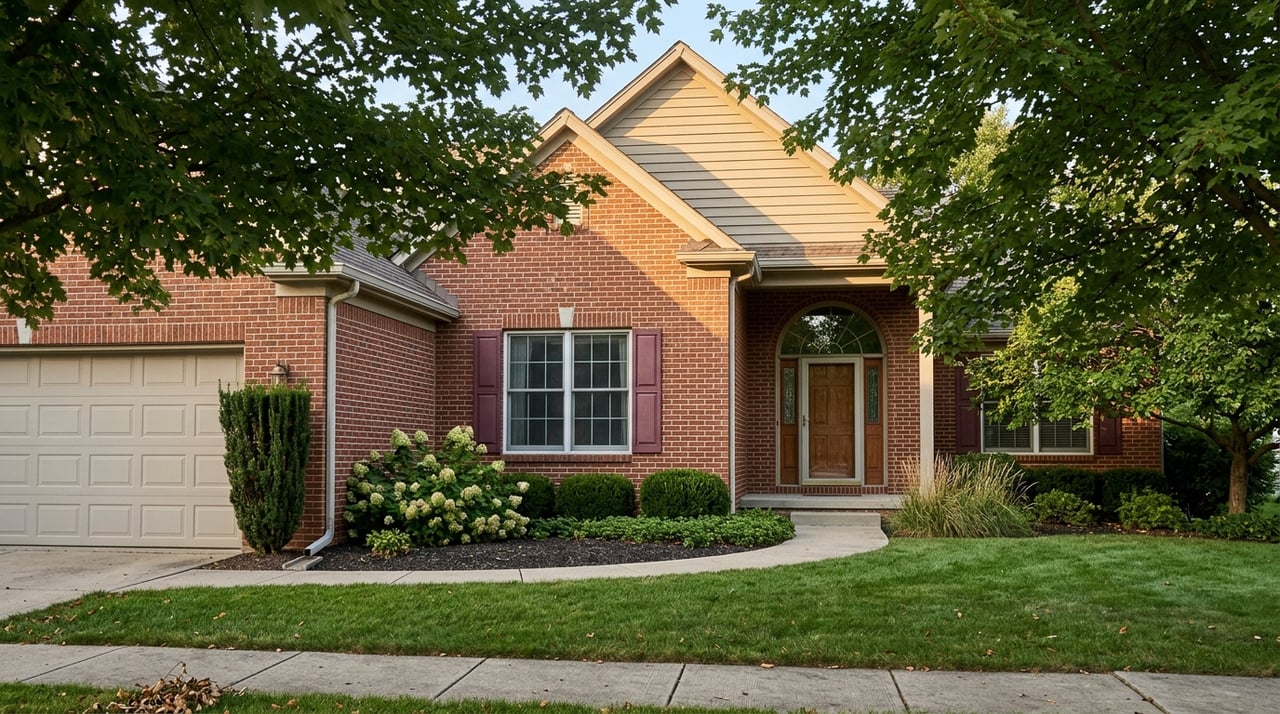
Wondering if Berkley is still a realistic place to buy your first home? In many ways, yes, but you should expect a fast-moving market, older housing stock, and a budget that goes beyond your down payment. If you are hoping to buy your first home in Berkley, it helps to know what the homes look like, how quickly you may need to act, and where surprise costs can show up. Let’s dive in.
Why Berkley Appeals to First-Time Buyers
Berkley often stands out as an entry point in this part of Oakland County. Recent market snapshots show a median listing price around $355,000, which is lower than nearby areas like Downtown Royal Oak at $399,900 and Downtown Birmingham at $635,000. For many first-time buyers, that makes Berkley a place to watch when they want a single-family home in an established inner-ring suburb.
That does not mean Berkley is cheap or easy. Market data points to a seller-leaning environment, with homes selling quickly and many listings drawing strong interest. If you are shopping here, you need to be realistic about both competition and timing.
What the Market Feels Like Right Now
Berkley is moving at a brisk pace. Redfin’s May 2026 snapshot shows a median sale price of $339,797, median days on market of 13, and 79 homes sold. Realtor.com’s June 2026 snapshot shows a median listing price of $355,000, a median sold price of $368,250, 59 active listings, and a 101% sale-to-list ratio.
The exact numbers vary because the sources use different datasets and time periods, but the message is consistent. Berkley is competitive, homes can move fast, and buyers often face multiple-offer situations. Redfin also reports that some hot homes sell in about 7 days.
What a Berkley Starter Home Usually Looks Like
If you picture rows of brand-new homes on oversized suburban lots, Berkley will likely feel different. The city’s master plan says single-family homes make up the largest land use in Berkley, and roughly 80% of the housing stock was built before 1960. That means most starter-home options come from existing homes, not new construction.
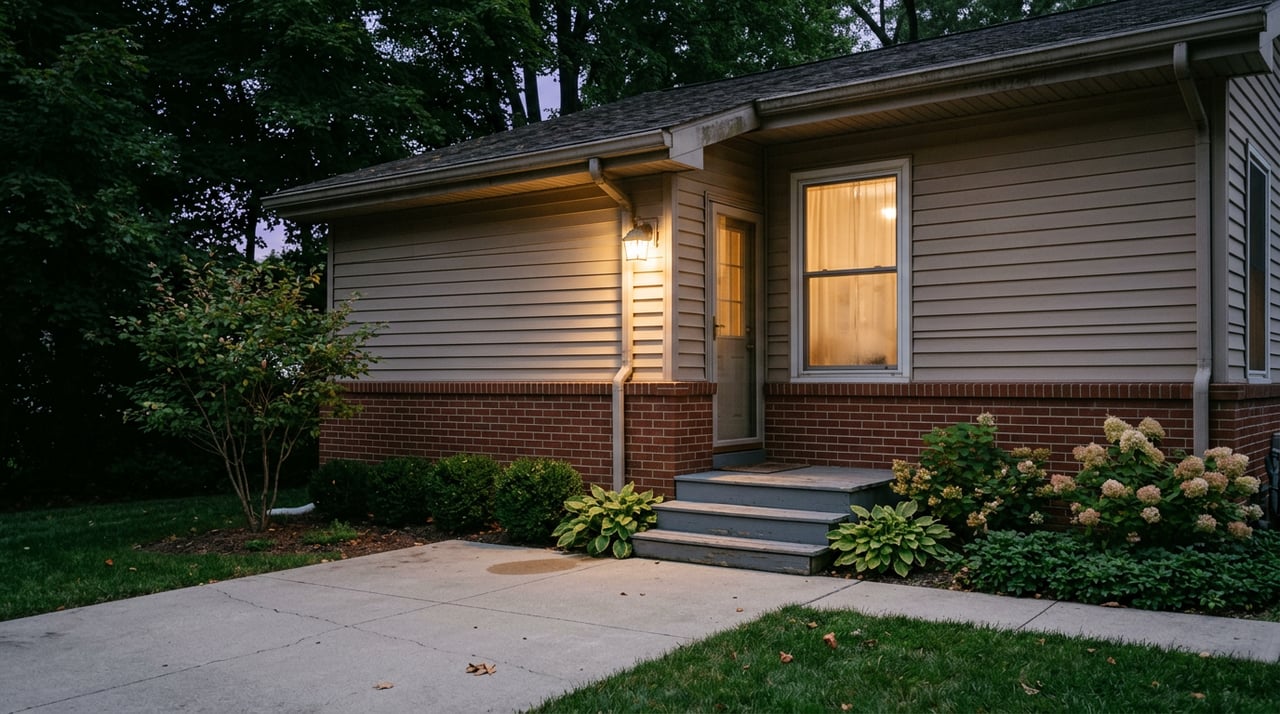
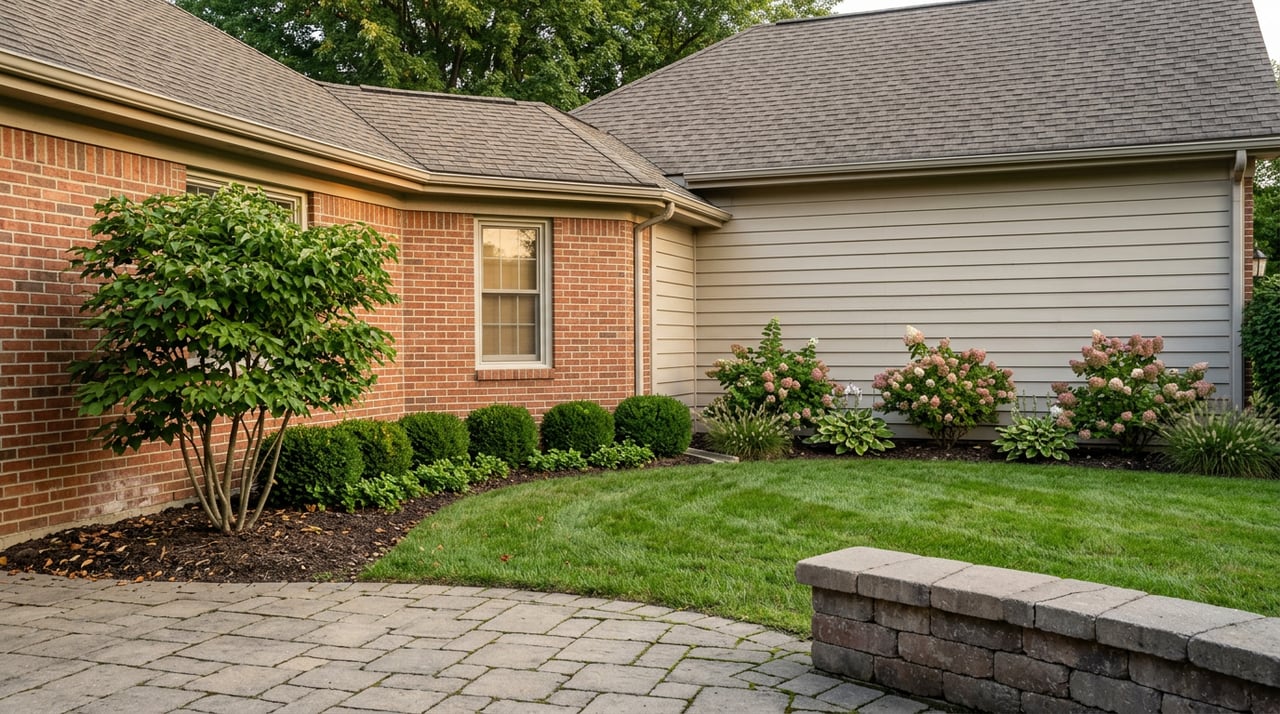
In practical terms, many first-time buyers will be touring older detached homes, including classic bungalows and other modest single-family houses. You may also see some larger two-story homes and newer infill properties, but the older housing stock defines much of the city’s inventory.
Expect Smaller Lots and Tight Footprints
Lot size is part of the Berkley experience. The city’s zoning ordinance says a standard single-family site in the residential corridor district needs at least 4,400 square feet and 40 feet of width. It also defines small sites as under 50 feet wide and under 6,650 square feet.
That helps explain why many Berkley lots feel compact compared with more spread-out suburban neighborhoods. For you as a buyer, that can affect yard size, driveway space, garage options, and how much room a home has for future additions.
Older Homes Can Mean Character and Maintenance
Many first-time buyers are drawn to Berkley because older homes can offer charm, established streetscapes, and a more approachable price point than nearby premium markets. At the same time, the age of the housing stock means you should be prepared for homes that may need updates over time.
Because so many homes were built before 1960, it is reasonable to expect that some properties may need cosmetic work or closer review of major systems. Roofing, HVAC, electrical, plumbing, insulation, and foundation items are all areas worth investigating during the inspection process. That does not mean every home has issues, but it does mean you should shop with open eyes.
Why Inspections Matter So Much
In a market this competitive, it can be tempting to focus only on winning the house. For older homes in Berkley, the inspection is one of the most important parts of your due diligence. It gives you a better look at the home’s structural and mechanical condition and can help you understand what repairs or future costs may be ahead.
Consumer guidance in the research recommends scheduling an independent inspection as soon as possible after your offer is accepted. That timing matters because it gives you time to review findings, negotiate if your contract allows it, or decide how to move forward before closing.
What to Budget Beyond the Down Payment
One of the biggest surprises for first-time buyers is how much cash is needed beyond the down payment. Closing costs typically run about 2% to 5% of the purchase price, excluding the down payment. Those costs can include appraisal, credit report, lender fees, title services, recording fees, and other transaction expenses.
Earnest money is another early cash need. Freddie Mac notes that earnest money is commonly 1% to 2% of the purchase price. On top of that, you may want extra reserves for immediate repairs, paint, flooring, or small updates after move-in.
Don’t Overlook Michigan Tax Costs
Michigan buyers should also understand transfer taxes and future property taxes. The state real estate transfer tax is $3.75 per $500 of value, or 0.75%, and the county tax is 55 cents per $500, or 0.11%. These costs are important to discuss as you build your full cash-to-close estimate.
Property taxes can also catch first-time buyers off guard after closing. In Michigan, a transfer of ownership causes taxable value to uncap in the following calendar year, so the seller’s current tax bill is usually not a reliable estimate of what you may pay later. In Berkley, the 2026 summer principal-residence millage is listed at 38.1000 mills in the Berkley School District and 34.1258 mills in the Royal Oak School District, with a 2025 winter county rate of 2.0778 mills.
Your Final Numbers Can Change
Even if you start with a solid estimate, your final cash needed at closing can shift. Buyers receive a Loan Estimate early in the process and then a Closing Disclosure before closing that shows final loan terms, closing costs, and cash to close. Comparing those documents carefully can help you avoid last-minute surprises.
This matters in Berkley because a fast market can make buyers focus heavily on the offer stage. Once you are under contract, details like prepaid items, escrows, lender fees, and tax figures still deserve close attention.
How Fast You May Need to Move
Timing matters in Berkley. Market reports show homes selling in about 13 to 21 days on average, with especially desirable homes moving even faster. That means your prep work often matters as much as your search.
A simple game plan can help:
- Get preapproved before you tour homes
- Know your monthly comfort range before you offer
- Be ready to act quickly when the right home appears
- Schedule your inspection right after acceptance
- Review your final disclosures carefully before closing
For first-time buyers, speed does not mean panic. It means being prepared enough to make a confident decision when the right opportunity comes up.
Renovation Plans Need a Reality Check
Many first-time buyers look at Berkley starter homes and think, “We can update this over time.” That can absolutely be part of the plan, but it helps to understand the city’s rules before you count on a major future project.
Berkley requires building permits for work performed by homeowners, owners, or contractors. The city says permits cover demolition, renovation, installation, construction, and inspection. For example, an accessory building like a garage or shed over 200 square feet requires a building permit.
Larger changes can involve more than a basic permit. The city notes that additions or site-layout changes can require site-plan approval or rezoning. So if your long-term vision includes a bigger addition, a reworked backyard layout, or another substantial change, it is wise to check what may be allowed before you buy.
ADUs Are Part of the Conversation
Berkley’s zoning ordinance also allows one accessory dwelling unit per parcel in residential districts on a single-family lot. That gives some buyers another future-use consideration as they evaluate properties. The ordinance also prohibits short-term ADU leases of less than 30 days.
This will not matter to every first-time buyer, but for some households it may shape how they think about long-term flexibility. As with any zoning-related plan, the details of the specific parcel and project matter.
What First-Time Buyers Should Expect Overall
If you are shopping for a starter home in Berkley, expect a mix of opportunity and competition. You may find an older single-family home in a location that feels more accessible than nearby premium markets, but you should also expect quick timelines, smaller lots, and the need for careful budgeting.
The buyers who tend to do best here are the ones who prepare early. When you understand the market pace, inspect older homes carefully, and budget for both closing costs and future ownership expenses, you are in a much better position to buy with confidence.
If you are thinking about buying your first home in Berkley, The Siciliano Group can help you navigate the market with local insight, responsive guidance, and a clear plan from search to closing.
FAQs
What price range should first-time buyers expect in Berkley, MI?
- Recent 2026 market snapshots show a median listing price around $355,000, a median sale price of $339,797 in one dataset, and a median sold price of $368,250 in another, which points to a competitive starter-home market.
What kind of homes do first-time buyers usually find in Berkley, MI?
- Most buyers will see older single-family homes, especially bungalows and other modest detached homes, because about 80% of Berkley’s housing stock was built before 1960.
How competitive is the Berkley, MI housing market for first-time buyers?
- Berkley is a seller-leaning market where many homes receive multiple offers, some hot homes can sell in about 7 days, and sale-to-list figures can reach about 101%.
What extra costs should buyers budget for when purchasing a Berkley, MI starter home?
- Beyond the down payment, buyers should usually budget 2% to 5% for closing costs, earnest money that is often 1% to 2% of the purchase price, transfer taxes, and reserves for repairs or updates.
Why are home inspections important for older Berkley, MI homes?
- Inspections are especially important because older homes may need closer review of structural and mechanical items such as roofing, HVAC, electrical, plumbing, and foundation conditions.
Can you renovate a starter home in Berkley, MI after you buy it?
- Yes, but many projects require city permits, and larger changes like additions or site-layout changes may require additional review, so it is smart to understand the rules before planning major updates.