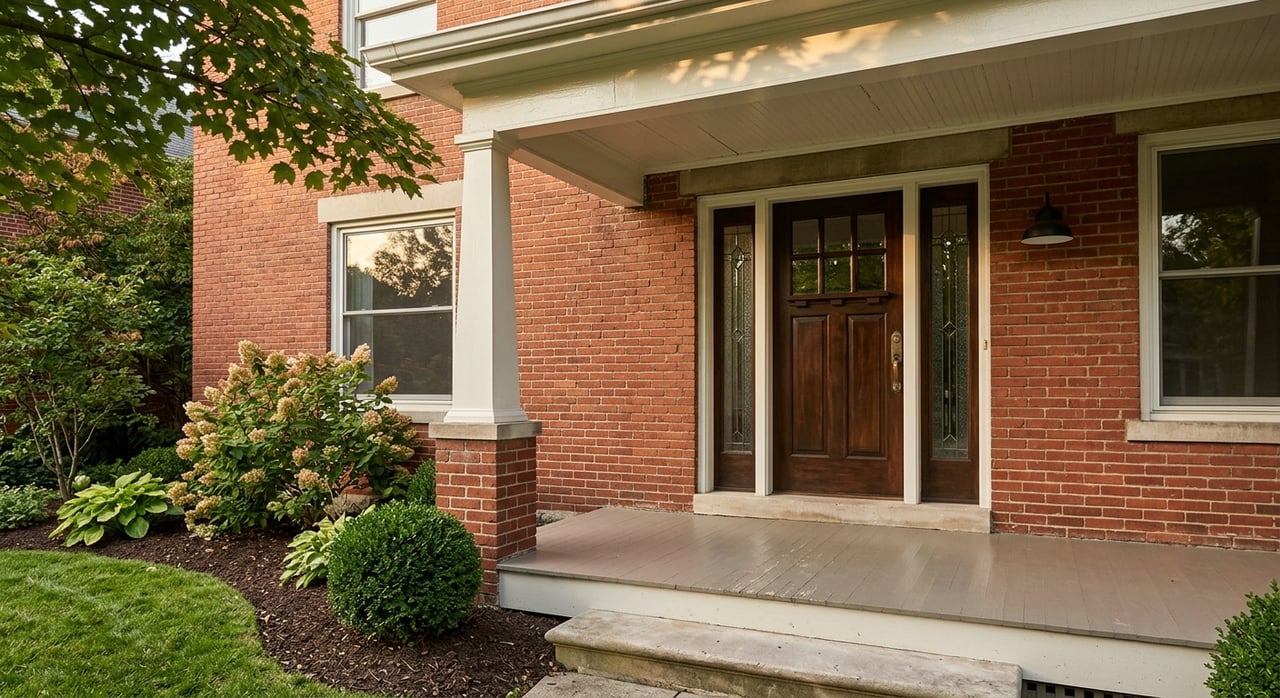
Falling for a historic home in Northville is easy. Writing an offer on one takes a little more care. If you are drawn to original windows, deep porches, and classic curb appeal, you also need to understand how local historic rules, inspection issues, and renovation plans can affect your budget and timeline. Let’s dive in.
Why Northville historic status matters
In Northville, "historic" is not just a marketing phrase. The city treats its Historic District as a formal local preservation district, created to safeguard heritage, stabilize property values, foster civic beauty, and support the local economy.
That distinction matters because the rules do not apply to every older home. A house can look historic and still fall outside the district boundary, which means the local review process may not apply in the same way.
Confirm the property is in the district
Before you write an offer, confirm whether the parcel is actually inside Northville’s Historic District. The city’s residential historic-district standards apply only within the district boundary.
This is one of the most important first steps because it shapes what changes may need approval. If you assume the rules apply when they do not, or miss them when they do, your renovation plans and offer terms could be off from the start.
What the Historic District Commission reviews
If the home is inside the district, the Northville Historic District Commission reviews a wide range of exterior and architectural changes. That includes construction, additions, alterations, repairs, moving, excavation, demolition, and even exterior paint colors.
For buyers, that means “simple updates” may not be as simple as they sound. Exterior work often needs to be viewed through both a design and approval lens.
Projects that can trigger review
Northville lists many project types that may require Historic District Commission review, including:
- Paint-color changes
- Roof and shingle replacement
- New or replacement windows
- New storm or security doors
- Door replacements
- Masonry work
- Porch reconstruction
- New buildings or additions
- Tree and shrub removal
- Fencing
- Signage and awnings
- Demolition or moving of a structure
- Site and landscape changes
This list is important when you are evaluating a home that needs work. A property that looks like a cosmetic project may involve approvals for several items on your wish list.
Timing can affect your plans
Northville requires a Certificate of Appropriateness before exterior work begins on a property in the local historic district. If a permit is needed, the city says it is not issued until the Historic District Commission has acted.
The city also notes that application deadlines are firm and incomplete applications may be deferred to a later meeting. In real life, that can affect how quickly you can start repairs or renovations after closing.
Early feedback can reduce risk
Northville offers a conceptual review option for early feedback. If you already know you want to replace windows, rebuild a porch, add on, or make other exterior changes, early consultation can help you understand what may be feasible.
That can be especially helpful before you commit to a purchase price based on major renovation plans. It gives you a clearer picture of whether your vision and the local standards are likely to align.
Inspect with historic-home issues in mind
A standard home inspection is important, but a historic home often calls for a more preservation-aware lens. Older materials, original features, and prior repairs can all change what you are really buying.
This matters most when your offer depends on future updates. You want to know not only what is worn or failing, but also what may need to be repaired rather than replaced.
Windows deserve extra attention
Windows are a common example. Preservation guidance recommends repair as the first option, and if replacement is necessary, the new feature should match the old in design, color, texture, and other visual qualities where possible.
Northville’s own standards also emphasize keeping original window openings and avoiding new openings on principal elevations. So if your first thought is “we will just replace all the windows later,” it is worth slowing down and getting a more detailed assessment.
A window-by-window inspection can help you understand what can be repaired, stabilized, or replaced. It can also give you a more realistic budget before you finalize your offer.
Additions and porches may be limited
Northville’s standards support keeping additions visually subordinate to the original house. The city’s guidelines also indicate that front-yard additions and porch enclosures can be tightly constrained.
That does not mean you cannot modernize a home. It means your plans may need to work with the house’s existing character rather than against it.
Energy updates may look different here
If efficiency is one of your goals, historic homes can still improve. Preservation guidance notes that weatherstripping, caulking, storm windows, and attic or wall insulation are common ways to improve performance without undermining historic character.
That is useful to know when comparing a historic home with a newer property. The best path may be targeted upgrades, not wholesale replacement.
Lead paint belongs in your due diligence
Many historic homes were built before 1978, so lead-based paint should be part of your due diligence. Buyers of most pre-1978 homes are entitled to known lead information before signing.
It is also important to know that paid renovation work disturbing painted surfaces in pre-1978 homes must be performed by certified firms using lead-safe work practices. If you are budgeting for updates, that can affect cost and contractor selection.
Build a smarter offer strategy
When you make an offer on a Northville historic home, your strongest protection is good information. The more you can verify before or during your contingency period, the fewer surprises you are likely to face after closing.
This is where a local, negotiation-focused approach matters. A well-structured offer can help you balance competitiveness with practical protection.
Ask for the right records
If the property is in the district, ask for documentation that helps you understand past work and future risk, such as:
- Prior Certificates of Appropriateness
- Permit records
- Contractor estimates for known issues
- Lead disclosure materials for pre-1978 homes
- Any records tied to completed exterior work
These documents can help you spot whether prior improvements appear to have followed the local process. They can also help you estimate what unfinished or future work may really cost.
Use contingencies thoughtfully
For a historic home, an inspection contingency can be especially valuable. Depending on the property and your plans, you may also want room to confirm likely Historic District Commission compliance issues and preservation-compliant repair costs.
That is especially true if the house needs windows, roofing, porch work, masonry repairs, fencing, or landscape changes that could trigger review. Your offer should reflect the real scope of ownership, not just the list price.
Budget beyond the usual repair list
Historic-home budgeting in Northville should go beyond generic contractor pricing. Exterior items that may need review often need to be approached as preservation-compliant work, which can affect both materials and labor.
Common pressure points include:
- Roofs
- Windows
- Porches
- Additions
- Fencing
- Tree work
- Masonry and exterior repairs
If two homes need the same category of repair, the one inside the district may involve a different process, timeline, or design standard. That does not make it a bad buy. It simply means your offer should account for that reality.
Understand tax credit possibilities
If you are planning substantial work, tax credits may be part of the conversation. In Michigan, the state historic tax credit has become more relevant for owner-occupied residential applicants.
The Michigan State Historic Preservation Office says that as of January 2, 2026, owner-occupied residential applicants may apply for the 2026 state credit, with applications accepted until that category fills. The program is first-come, first-served, and the state strongly recommends approval before work begins so plans can be revised if needed to match the standards.
State and local review are different
This is an important distinction for buyers. The state credit process is separate from Northville’s local approval rules and uses a three-part application.
The state also says credits can apply to capital improvements made to and within the historic resource, which is broader than the city’s exterior review process. In other words, local approval and tax-credit planning are related topics, but they are not the same thing.
Federal credit usually does not apply
For most buyers planning to live in the home, the federal historic rehabilitation tax credit is generally not the incentive to count on. The National Park Service says the federal 20% credit is for income-producing properties, and owner-occupied residences do not qualify.
That makes it even more important to understand Michigan’s current state-level program if incentives are part of your renovation plan.
A practical way to approach your offer
If you love a Northville historic home, you do not need to be intimidated. You just need to be informed. The right approach is to confirm district status, understand which projects may trigger review, inspect with older-home issues in mind, and build your offer around realistic costs and timelines.
When you do that, you can move forward with more confidence and fewer surprises. Historic homes can be deeply rewarding to own, especially when you buy with a clear plan from the beginning.
If you are considering a historic home in Northville and want help evaluating the property, offer terms, and likely next steps, The Siciliano Group can help you make a smart, well-informed move.
FAQs
Is every older home in Northville subject to historic district rules?
- No. Northville’s residential historic-district standards apply only to properties within the Historic District boundary.
What exterior projects on a Northville historic home may need approval?
- Common examples include paint-color changes, roofing, windows, doors, masonry, porch work, additions, fencing, tree and shrub removal, signage, awnings, demolition, moving a structure, and site or landscape changes.
What is a Certificate of Appropriateness in Northville?
- It is the local approval required before exterior work begins on a property in the historic district, and if a permit is needed, the permit is not issued until the Historic District Commission has acted.
Can you replace windows in a Northville historic home?
- Possibly, but repair is generally favored first, and if replacement is necessary, the new windows should match the old in key visual qualities where possible.
Should you ask for special documents when buying a Northville historic home?
- Yes. It is smart to request prior Certificates of Appropriateness, permit records, contractor estimates for known issues, and lead disclosure materials when applicable.
Are there tax credits for owner-occupied historic homes in Michigan?
- Michigan’s state historic tax credit may be relevant for owner-occupied residential applicants in 2026, while the federal historic rehabilitation credit generally does not apply to owner-occupied residences.